
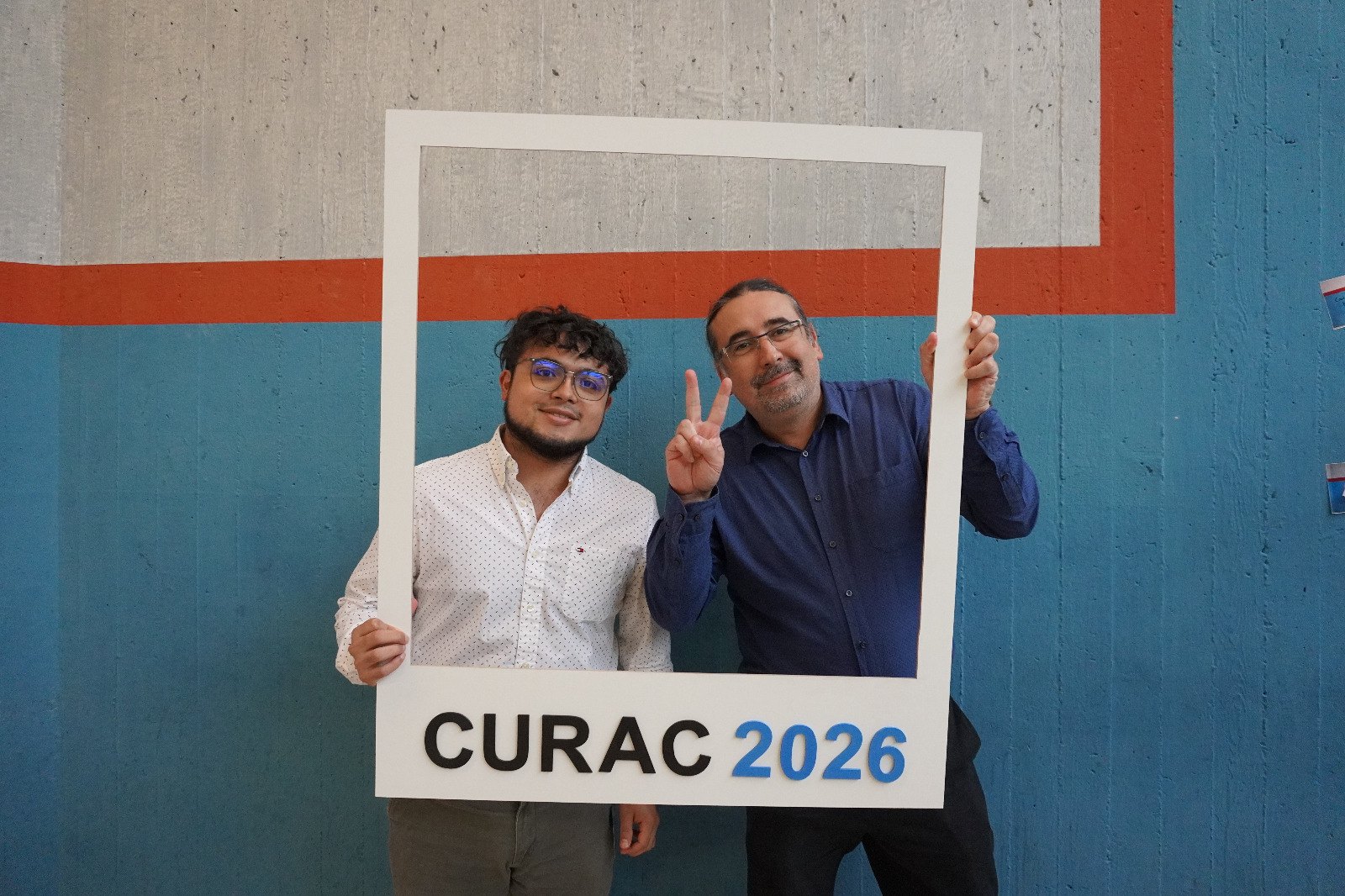
From October 8 to 10, 2026, the 25th Annual Conference of the German Society for Computer- and Robot-Assisted Surgery (CURAC 2026) took place in Munich, Germany. CURAC is one of Germany’s leading scientific forums for computer-assisted and robotic surgery, bringing together researchers, engineers, and clinicians to discuss new technologies and their potential applications in medicine.
The VAR Group participated in CURAC 2026 with three accepted papers, all selected for oral presentations. The contributions explore new approaches for ultrasound-guided needle procedures and demonstrate the potential of vibroacoustic (VA) sensing for laparoscopic surgery and surgical data science.
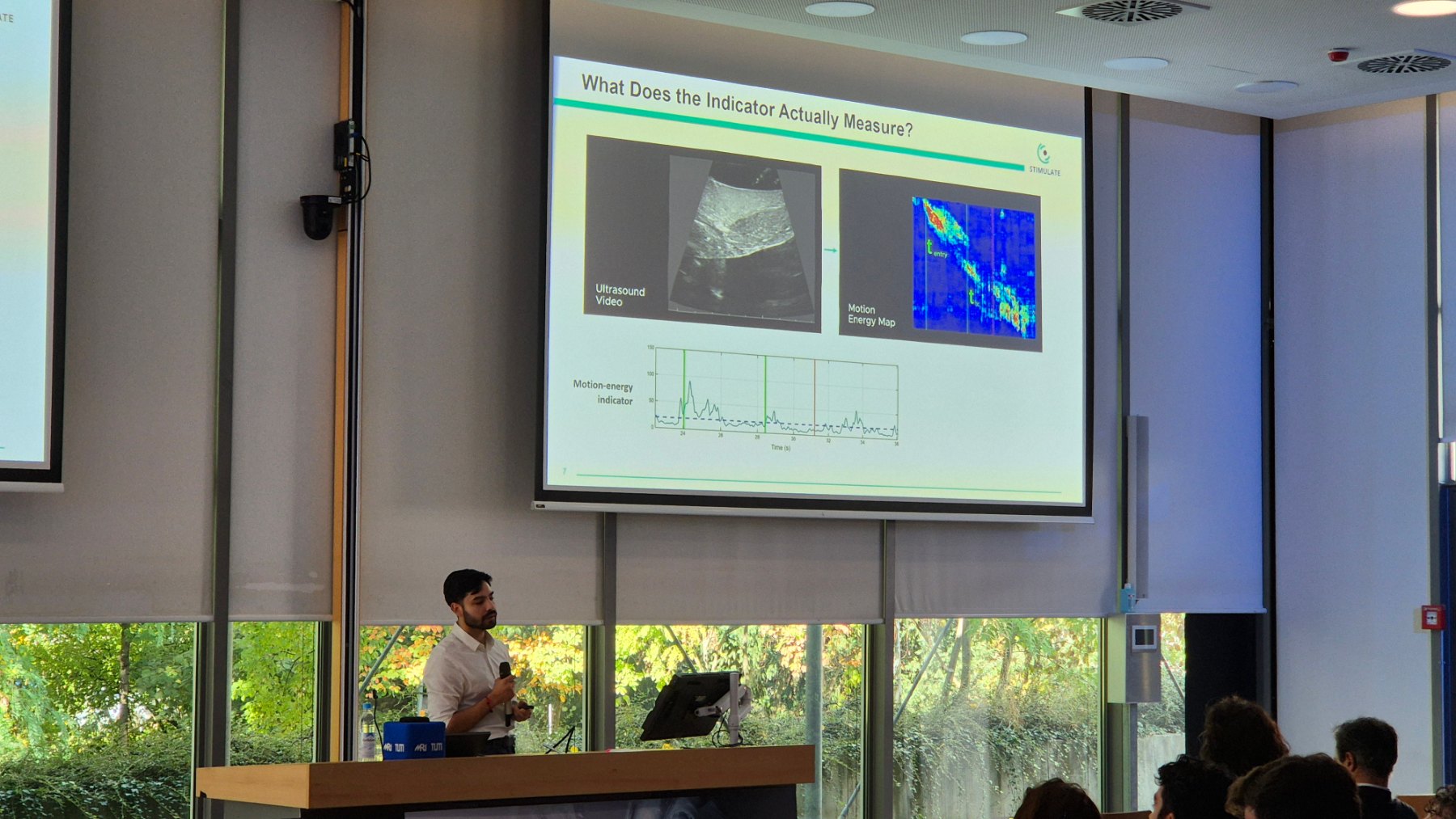
In “Detecting Loss of Needle-Related Information in Ultrasound-Guided Insertions: A Motion-Energy Approach”, this work investigates how changes in ultrasound image dynamics can be used to identify periods in which information related to the needle becomes weak or difficult to distinguish. The proposed method analyzes motion-related information in ultrasound videos without requiring explicit needle tracking. The results show that the loss of needle-related information often develops gradually, suggesting the possibility of detecting these changes before the needle becomes difficult to visualize. This approach could contribute to improved monitoring and feedback during ultrasound-guided procedures.
In “Vibroacoustic Detection of Underlying Structures in Laparoscopic Palpation”, vibroacoustic sensing is used to detect hidden structures beneath tissue during laparoscopic palpation. By measuring mechanical vibrations transmitted through a standard laparoscopic instrument, the method provides additional information about the structures encountered during tissue exploration. Experiments using tissue-mimicking phantoms demonstrated that VA signals can distinguish between regions with and without underlying inclusions, as well as inclusions of different sizes. These results highlight the potential of vibroacoustic sensing to complement the limited tactile feedback available during laparoscopic surgery.
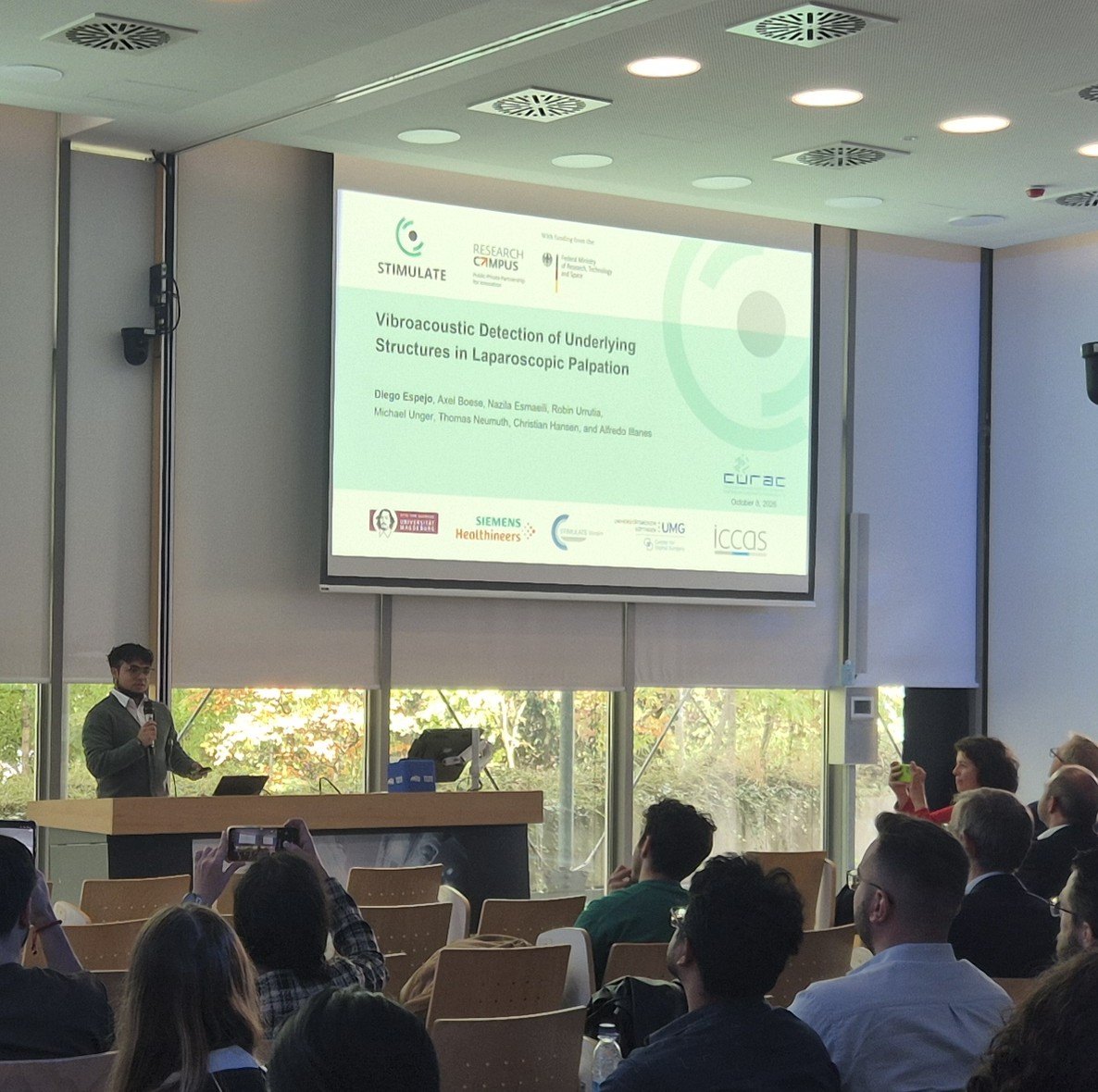
In “Vibroacoustic Autoregressive Features for Clustering of Laparoscopic Surgical Events”, the potential of vibroacoustic sensing for recognizing different surgical activities during laparoscopic procedures is explored. The study investigates whether vibrations generated during instrument movement, actuation, and tissue interaction contain characteristic information that allows different surgical events to be distinguished. Using time-varying signal analysis, the results demonstrate that several surgical activities produce distinguishable vibroacoustic patterns. This opens new possibilities for integrating VA sensing into surgical data science, particularly for automated surgical activity recognition, workflow monitoring, and context-aware assistance.
Together, these three contributions highlight the VAR Group’s research toward new sensing and information-processing approaches for computer-assisted interventions, demonstrating how ultrasound image analysis and vibroacoustic sensing can provide complementary information to support minimally invasive procedures.
We would like to thank our collaborators from the Center for Digital Surgery, Department of General, Visceral and Pediatric Surgery, University Medical Center Göttingen, and the Innovation Center Computer Assisted Surgery (ICCAS), University of Leipzig, for their valuable contributions to this research.