

Prof. Dr. Christian Hansen
Short Bio
I am a Full Professor (W3) of Virtual and Augmented Reality at the Faculty of Computer Science and the Research Campus STIMULATE at Otto von Guericke University Magdeburg, Germany.
I studied Computational Visualistics at Otto von Guericke University Magdeburg, completing my bachelor’s research at the Aristotle University of Thessaloniki in 2004 and my master’s thesis at the Center for Medical Diagnostic Systems and Visualization at the University of Bremen in 2006. After graduating, I joined the Fraunhofer Institute for Digital Medicine MEVIS in Bremen as a research scientist (2006–2013) and received my PhD in Computer Science from Jacobs University Bremen in 2012.
In 2013, I was appointed Junior Professor of Computer-Assisted Surgery at Otto von Guericke University Magdeburg. I held a DFG-funded research fellowship at Harvard Medical School from 2017 to 2018. From 2020 to 2024, I served as Extraordinary Professor of Virtual and Augmented Reality before being promoted to Full Professor in 2024.
Research Interests
My research focuses on virtual and augmented reality, human–machine interaction, and medical visualization. In particular, I investigate immersive, interaction-driven systems for interventional radiology, liver surgery, and urology. My work aims to integrate advanced image analysis, efficient user interfaces, and workflow-aware solutions into clinical environments.
Find me also here:  Google Scholar |
  ORCID |
  ResearchGate |
  LinkedIn |
Selected Publications
2026
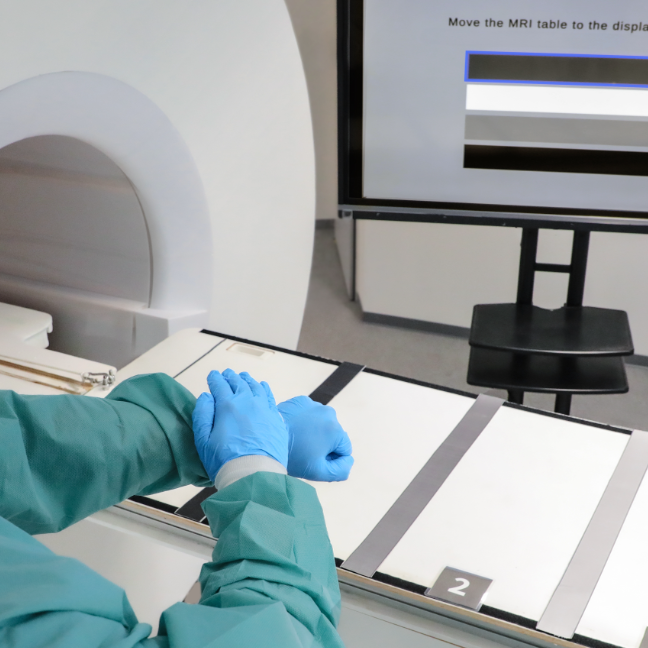
Klank, R; Heinrich, F; Schott, D; Hansen, C; Joeres, F
Testing before Building? Strengths and Weaknesses of VR-Based Usability Testing of a Gesture Interface Proceedings Article Forthcoming
In: ACM Symposium on Virtual Reality Software and Technology (VRST), Forthcoming.
@inproceedings{klank2026,

title = {Testing before Building? Strengths and Weaknesses of VR-Based Usability Testing of a Gesture Interface},

author = {R Klank and F Heinrich and D Schott and C Hansen and F Joeres },

year  = {2026},

date = {2026-11-16},

urldate = {2026-11-16},

booktitle = {ACM Symposium on Virtual Reality Software and Technology (VRST)},

keywords = {},

pubstate = {forthcoming},

tppubtype = {inproceedings}

}
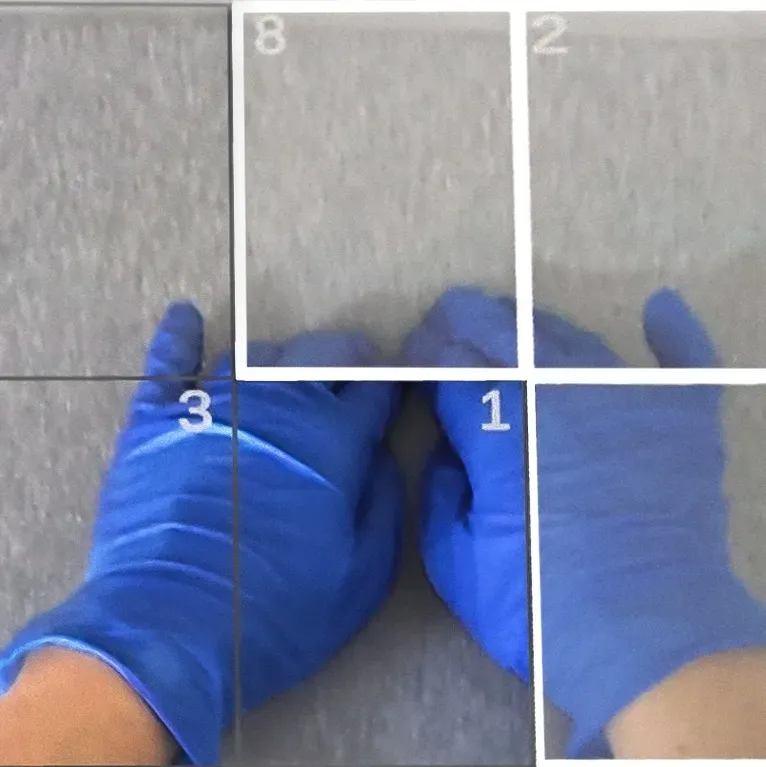
Schwenderling, L; Schotte, M; Joeres, F; Heinrich, F; Hansen, C
Augmented Reality Training of Attention Allocation in Medical Dual-Task Learning Applications Proceedings Article Forthcoming
In: ACM International Conference on Mobile Human-Computer Interaction 2026 (MobileHCI 2026), Forthcoming.
@inproceedings{schwenderling2026,

title = {Augmented Reality Training of Attention Allocation in Medical Dual-Task Learning Applications},

author = {L Schwenderling and M Schotte and F Joeres and F Heinrich and C Hansen},

year  = {2026},

date = {2026-08-31},

urldate = {2026-08-31},

booktitle = {ACM International Conference on Mobile Human-Computer Interaction 2026 (MobileHCI 2026)},

journal = {The ACM International Conference on Mobile Human-Computer Interaction 2026 (MobileHCI 2026)},

key = {selected},

keywords = {},

pubstate = {forthcoming},

tppubtype = {inproceedings}

}
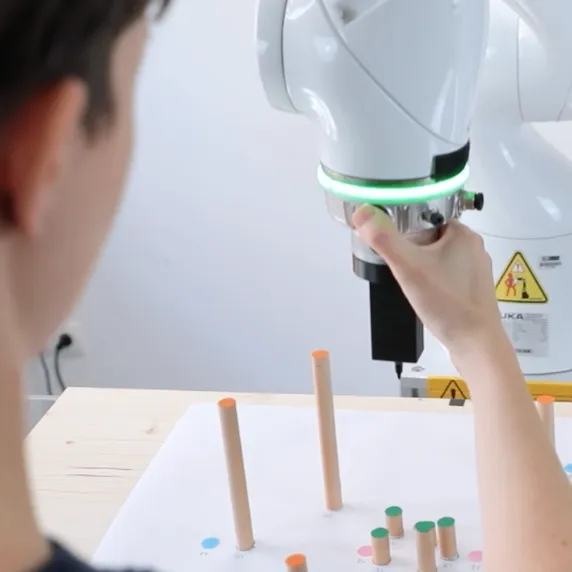
Schreiter, J; Pandi, P; Klank, R; Hansen, C; Heinrich, F
Touch-Based Interaction and Clutching Strategies in Collaborative Robotics across Task Types Proceedings Article Forthcoming
In: IEEE/RSJ International Conference on Intelligent Robots and Systems (IROS), Forthcoming.
@inproceedings{schreiter2026,

title = {Touch-Based Interaction and Clutching Strategies in Collaborative Robotics across Task Types},

author = {J Schreiter and P Pandi and R Klank and C Hansen and F Heinrich},

year  = {2026},

date = {2026-06-30},

urldate = {2026-06-30},

booktitle = {IEEE/RSJ International Conference on Intelligent Robots and Systems (IROS)},

keywords = {},

pubstate = {forthcoming},

tppubtype = {inproceedings}

}
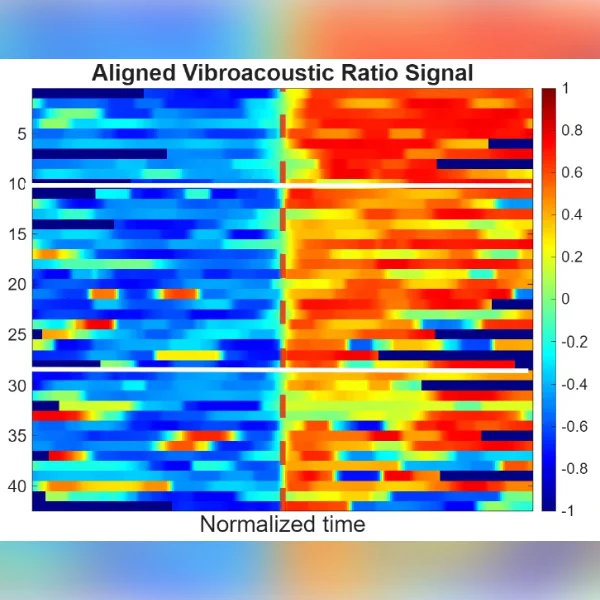
Urrutia, R; Esmaeili, N; Matinfar, S; Boese, A; Davaris, N; Arens, C; Hansen, C; Illanes, A
Where Is the Needle Tip? Vibroacoustic Sensing Reveals Hidden Needle-Tissue Transitions During Ultrasound Guidance Proceedings Article
In: Medical Image Computing and Computer Assisted Intervention – MICCAI 2026, Springer, Cham, 2026, ISBN: 978-3-032-38235-1.
@inproceedings{urrutia2026,

title = {Where Is the Needle Tip? Vibroacoustic Sensing Reveals Hidden Needle-Tissue Transitions During Ultrasound Guidance},

author = {R Urrutia and N Esmaeili and S Matinfar and A Boese and N Davaris and C Arens and C Hansen and A Illanes},

url = {https://link.springer.com/10.1007/978-3-032-38236-8_59},

doi = {10.1007/978-3-032-38236-8_59},

isbn = {978-3-032-38235-1},

year  = {2026},

date = {2026-09-26},

urldate = {2026-09-26},

booktitle = {Medical Image Computing and Computer Assisted Intervention – MICCAI 2026},

issuetitle = {Medical Image Computing and Computer Assisted Intervention (MICCAI)},

volume = {16893},

publisher = {Springer},

address = {Cham},

series = {Lecture Notes in Computer Science},

keywords = {},

pubstate = {published},

tppubtype = {inproceedings}

}
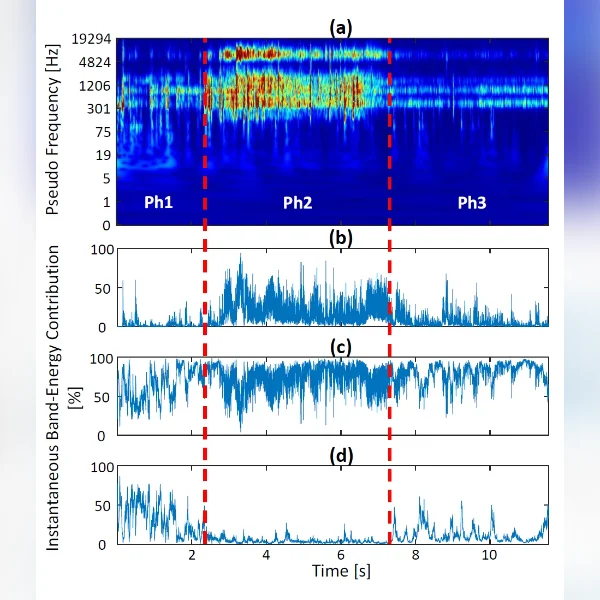
Esmaeili, N; Urrutia, R; Espejo, D; Boese, A; Horvath, P; Hansen, C; Hagenah, J; Illanes, A
When Tissue Speaks: Vibroacoustic Monitoring of Tissue Response during Electrosurgery Proceedings Article
In: Medical Image Computing and Computer Assisted Intervention – MICCAI 2026, pp. 606–615, Springer, Cham, 2026, ISBN: 978-3-032-38235-1.
@inproceedings{esmaeili2026,

title = {When Tissue Speaks: Vibroacoustic Monitoring of Tissue Response during Electrosurgery},

author = {N Esmaeili and R Urrutia and D Espejo and A Boese and P Horvath and C Hansen and J Hagenah and A Illanes},

url = {https://link.springer.com/10.1007/978-3-032-38236-8_58},

doi = {10.1007/978-3-032-38236-8_58},

isbn = {978-3-032-38235-1},

year  = {2026},

date = {2026-09-26},

urldate = {2026-09-26},

booktitle = {Medical Image Computing and Computer Assisted Intervention – MICCAI 2026},

volume = {16893},

pages = {606–615},

publisher = {Springer},

address = {Cham},

series = {Lecture Notes in Computer Science},

keywords = {},

pubstate = {published},

tppubtype = {inproceedings}

}

Schrader, C; Diekmann, C; Kunz, M; Albrecht, A; Hansen, C; Schott, D
In: Computers & Education: X Reality, vol. 9, pp. 100172, 2026.
@article{schrader2026,

title = {Applying the Signaling Principle in Immersive Virtual Reality for Medical Education: Effects of Color Coding on Virtual Presence, Learning-Centered Emotions, Cognitive Load, and Learning Outcomes },

author = {C Schrader and C Diekmann and M Kunz and A Albrecht and C Hansen and D Schott},

url = {https://www.sciencedirect.com/science/article/pii/S2949678026000401},

doi = {10.1016/j.cexr.2026.100172},

year  = {2026},

date = {2026-07-01},

urldate = {2026-07-01},

journal = {Computers & Education: X Reality},

volume = {9},

pages = {100172},

keywords = {},

pubstate = {published},

tppubtype = {article}

}
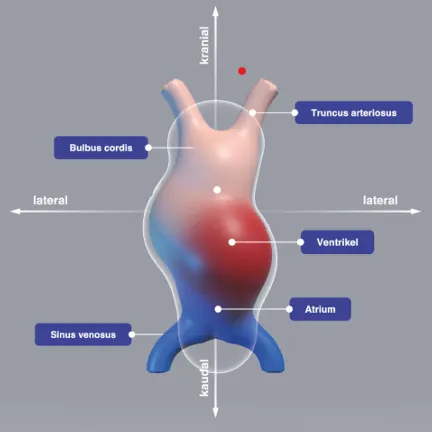
Schott, D; Kunz, M; Schrader, C; Ringler, E; Schwadtke, A; Mandel, J; Müller, P; Kleinbeck, C; Roth, D; Albrecht, A; Hansen, C
The Influence of Environmental Fidelity on Virtual Presence, Intrinsic Motivation, Cognitive Load and Learning Outcomes in Medical VR Journal Article
In: IEEE Transactions on Visualization and Computer Graphics, vol. 32, no. 5, pp. 4302-4311, 2026.
@article{nokeyb,

title = {The Influence of Environmental Fidelity on Virtual Presence, Intrinsic Motivation, Cognitive Load and Learning Outcomes in Medical VR},

author = {D Schott and M Kunz and C Schrader and E Ringler and A Schwadtke and J Mandel and P Müller and C Kleinbeck and D Roth and A Albrecht and C Hansen},

url = {https://ieeexplore.ieee.org/document/11475220/},

doi = {10.1109/TVCG.2026.3680702},

year  = {2026},

date = {2026-05-01},

urldate = {2026-05-01},

journal = {IEEE Transactions on Visualization and Computer Graphics},

volume = {32},

number = {5},

pages = {4302-4311},

howpublished = {IEEE Conference on Virtual Reality and 3D User Interfaces (VR)},

keywords = {},

pubstate = {published},

tppubtype = {article}

}
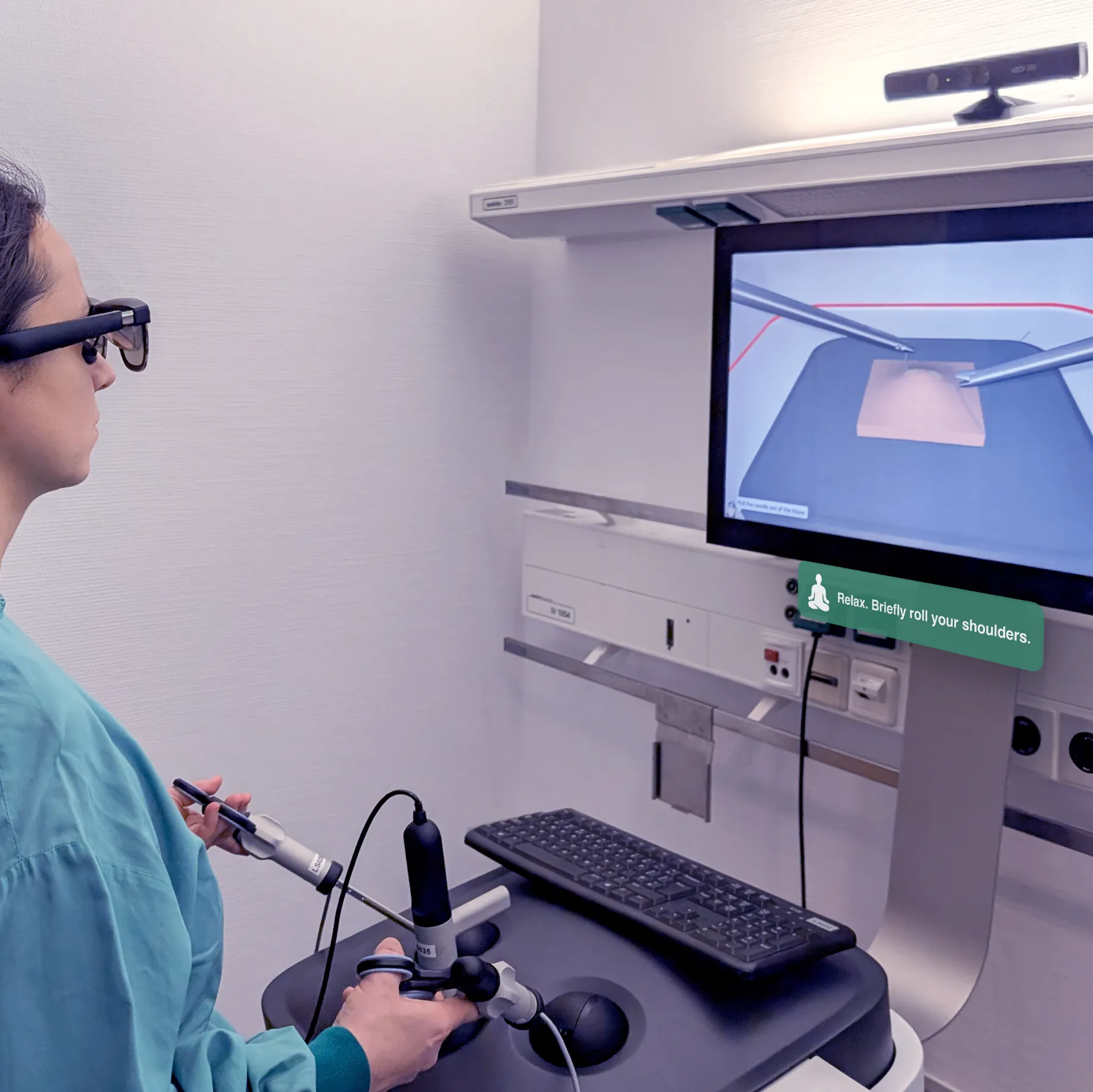
Heinrich, F; Mielke, T; Klank, R; Ortega, F; Hansen, C; Huber, T; Huettl, F
HoloNote: Exploring Augmented Reality Notifications for Ergonomic Feedback in Laparoscopic Training Proceedings Article
In: Extended Abstracts of the CHI Conference on Human Factors in Computing Systems (CHI EA), 2026.
@inproceedings{holonote,

title = {HoloNote: Exploring Augmented Reality Notifications for Ergonomic Feedback in Laparoscopic Training},

author = {F Heinrich and T Mielke and R Klank and F Ortega and C Hansen and T Huber and F Huettl},

url = {https://dl.acm.org/doi/10.1145/3772363.3799086},

doi = {10.1145/3772363.3799086},

year  = {2026},

date = {2026-04-13},

urldate = {2026-04-13},

booktitle = {Extended Abstracts of the CHI Conference on Human Factors in Computing Systems (CHI EA)},

number = {368},

abstract = {Laparoscopic surgery is a physically demanding task that can lead to ergonomic strain. While notification-based approaches have been used to support ergonomics in other domains, their application in laparoscopic surgery remains limited.

Therefore, an augmented reality (AR) notification concept was implemented using lightweight optical see-through AR glasses, examining their suitability for laparoscopic training.

A pilot study with ten surgeons was conducted using a laparoscopic simulator, where participants performed a stitching and knot-tying task with and without AR-based notifications.

All participants were able to complete the tasks while wearing the AR glasses. While task completion times were longer in the AR condition, no conclusive differences in perceived workload were observed. User experience and wearing comfort were rated positively, whereas the notifications were perceived as useful but not consistently effective. The findings suggest that lightweight AR glasses are a feasible platform for ergonomic feedback in laparoscopic training and motivate further investigation.},

keywords = {},

pubstate = {published},

tppubtype = {inproceedings}

}
Therefore, an augmented reality (AR) notification concept was implemented using lightweight optical see-through AR glasses, examining their suitability for laparoscopic training.
A pilot study with ten surgeons was conducted using a laparoscopic simulator, where participants performed a stitching and knot-tying task with and without AR-based notifications.
All participants were able to complete the tasks while wearing the AR glasses. While task completion times were longer in the AR condition, no conclusive differences in perceived workload were observed. User experience and wearing comfort were rated positively, whereas the notifications were perceived as useful but not consistently effective. The findings suggest that lightweight AR glasses are a feasible platform for ergonomic feedback in laparoscopic training and motivate further investigation.
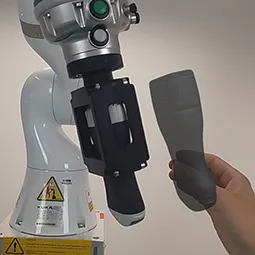
Mielke, T; Georgiades, M; Grosser, O; Pech, M; Hansen, C; Heinrich, F
Enhancing Gesture-Based Human–Robot Interaction: Investigating the Role of Force Automation Proceedings Article
In: ACM/IEEE International Conference on Human-Robot Interaction (HRI), pp. 619-628, 2026.
@inproceedings{nokeyd,

title = {Enhancing Gesture-Based Human–Robot Interaction: Investigating the Role of Force Automation},

author = {T Mielke and M Georgiades and O Grosser and M Pech and C Hansen and F Heinrich},

doi = {10.1145/3757279.3785568},

year  = {2026},

date = {2026-03-16},

urldate = {2026-03-16},

booktitle = {ACM/IEEE International Conference on Human-Robot Interaction (HRI)},

pages = {619-628},

abstract = {Directly controlling robot motion through human–robot interaction enables the integration of human expertise into robot control. However, this requires efficient interaction methods. While previous work has shown that hand gestures offer potential for natural control, the lack of haptic feedback remains a key challenge. One solution is partial automation, in which the contact force is autonomously controlled. We implemented force automation enhanced gesture control, as well as the state-of-the-art baseline of hand-guiding, to systematically investigate hand gesture interaction for robot control. A user study (n=28) was conducted to investigate the efficiency and workload of these interaction concepts. As the interaction method efficiency may depend on task demands, two tasks with different precision requirements were evaluated in the context of robotic ultrasound. The results indicate that force automation significantly reduces perceived workload and task duration when using hand gestures. Moreover, gesture-based interaction can match the efficiency of hand-guiding for broad tasks and even outperform it in precise tasks. These findings highlight the potential of gesture-based interaction for robot control, particularly when the absence of haptic feedback is compensated by partial automation.},

keywords = {},

pubstate = {published},

tppubtype = {inproceedings}

}
2025
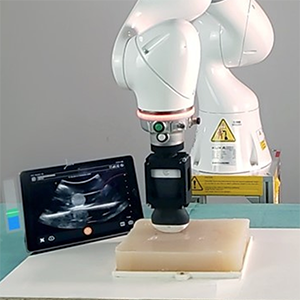
Mielke, T; Allgaier, M; Hansen, C; Heinrich, F
Extended Reality Check: Evaluating XR Prototyping for Human-Robot Interaction in Contact-Intensive Tasks Journal Article
In: IEEE Transactions on Visualization and Computer Graphics, vol. 31, iss. 11, pp. 10035 - 10044, 2025.
@article{mielke_extended_2025,

title = {Extended Reality Check: Evaluating XR Prototyping for Human-Robot Interaction in Contact-Intensive Tasks},

author = {T Mielke and M Allgaier and C Hansen and F Heinrich},

doi = {10.1109/TVCG.2025.3616753},

year  = {2025},

date = {2025-10-02},

urldate = {2025-10-02},

journal = {IEEE Transactions on Visualization and Computer Graphics},

volume = {31},

issue = {11},

pages = {10035 - 10044},

abstract = {Extended Reality (XR) has the potential to improve efficiency and safety in the user-centered development of human-robot interaction. However, the validity of using XR prototyping for user studies for contact-intensive robotic tasks remains underexplored. These in-contact tasks are particularly relevant due to challenges arising from indirect force perception in robot control. Therefore, in this work, we investigate a representative example of such a task: robotic ultrasound. A user study was conducted to assess the transferability of results from a simulated user study to real-world conditions, comparing two force-assistance approaches. The XR simulation replicates the physical study set-up employing a virtual robotic arm, its control interface, ultrasound imaging, and two force-assistance methods: automation and force visualization. Our results indicate that while differences in force deviation, perceived workload, and trust emerge between real and simulated setups, the overall findings remain consistent. Specifically, partial automation of robot control improves performance and trust while reducing workload, and visual feedback decreases force deviation in both real and simulated conditions. These findings highlight the potential of XR for comparative studies, even in complex robotic tasks.},

keywords = {},

pubstate = {published},

tppubtype = {article}

}
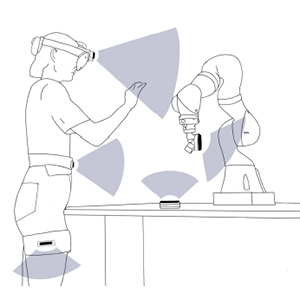
Mielke, T; Heinrich, F; Hansen, C
Gesturing Towards Efficient Robot Control: Exploring Sensor Placement and Control Modes for Mid-Air Human-Robot Interaction Proceedings Article
In: 2025 IEEE International Conference on Robotics and Automation (ICRA), IEEE, 2025.
@inproceedings{mielke_gesturing_2025,

title = {Gesturing Towards Efficient Robot Control: Exploring Sensor Placement and Control Modes for Mid-Air Human-Robot Interaction},

author = {T Mielke and F Heinrich and C Hansen},

doi = {10.1109/ICRA55743.2025.11127519},

year  = {2025},

date = {2025-09-02},

urldate = {2025-09-02},

booktitle = {2025 IEEE International Conference on Robotics and Automation (ICRA)},

publisher = {IEEE},

abstract = {While collaborative robots effectively combine robotic precision with human capabilities, traditional control methods such as button presses or hand guidance can be slow and physically demanding. This has led to an increasing interest in natural user interfaces that integrate hand gesturebased interactions for more intuitive and flexible robot control. Therefore, this paper systematically explores mid-air robot control by comparing position and rate control modes with different state-of-the-art and novel sensor placements. A user study was conducted to evaluate each combination in terms of accuracy, task duration, perceived workload, and physical exertion. Our results indicate that position control is more efficient than rate control. Traditional desk-mounted sensors can provide a good balance between accuracy and comfort. However, robot-mounted sensors are a viable alternative for short-term, accurate control with less spatial requirements. Legmounted sensors, while comfortable, pose challenges to handeye coordination. Based on these findings, we provide design implications for improving the usability and comfort of midair human-robot interaction. Future research should extend this evaluation to a wider range of tasks and environments.},

keywords = {},

pubstate = {published},

tppubtype = {inproceedings}

}
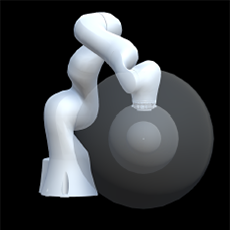
Mielke, T; Heinrich, F; Hansen, C
Enhancing AR-to-Robot Registration Accuracy: A Comparative Study of Marker Detection Algorithms and Registration Parameters Proceedings Article
In: 2025 IEEE International Conference on Robotics and Automation (ICRA), IEEE, 2025.
@inproceedings{mielke_enhancing_2025,

title = {Enhancing AR-to-Robot Registration Accuracy: A Comparative Study of Marker Detection Algorithms and Registration Parameters},

author = {T Mielke and F Heinrich and C Hansen},

doi = {10.1109/ICRA55743.2025.11128039},

year  = {2025},

date = {2025-09-02},

urldate = {2025-09-02},

booktitle = {2025 IEEE International Conference on Robotics and Automation (ICRA)},

publisher = {IEEE},

abstract = {Augmented Reality (AR) offers potential for enhancing human-robot collaboration by enabling intuitive interaction and real-time feedback. A crucial aspect of AR-robot integration is accurate spatial registration to align virtual content with the physical robotic workspace. This paper systematically investigates the effects of different tracking techniques and registration parameters on AR-to-robot registration accuracy, focusing on paired-point methods. We evaluate four marker detection algorithms - ARToolkit, Vuforia, ArUco, and retroreflective tracking - analyzing the influence of viewing distance, angle, marker size, point distance, distribution, and quantity. Our results show that ARToolkit provides the highest registration accuracy. While larger markers and positioning registration point centroids close to target locations consistently improved accuracy, other factors such as point distance and quantity were highly dependent on the tracking techniques used. Additionally, we propose an effective refinement method using point cloud registration, significantly improving accuracy by integrating data from points recorded between registration locations. These findings offer practical guidelines for enhancing AR-robot registration, with future work needed to assess the transferability to other AR devices and robots.},

keywords = {},

pubstate = {published},

tppubtype = {inproceedings}

}
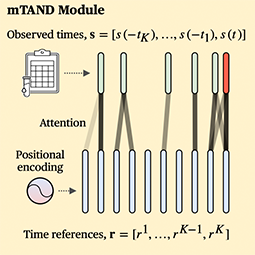
Bashkanov, O; Engelage, L; Behnel, N; Ehrlich, P; Hansen, C; Rak, M
Multimodal Data Fusion with Irregular PSA Kinetics for Automated Prostate Cancer Grading Journal Article
In: Computerized Medical Imaging and Graphics, vol. 124, pp. 102625, 2025.
@article{bashkanov_multimodal_2025,

title = {Multimodal Data Fusion with Irregular PSA Kinetics for Automated Prostate Cancer Grading},

author = {O Bashkanov and L Engelage and N Behnel and P Ehrlich and C Hansen and M Rak},

url = {https://www.sciencedirect.com/science/article/pii/S089561112500134X

https://pubmed.ncbi.nlm.nih.gov/40819603/, PubMed},

doi = {10.1016/j.compmedimag.2025.102625},

year  = {2025},

date = {2025-08-11},

urldate = {2025-08-11},

journal = {Computerized Medical Imaging and Graphics},

volume = {124},

pages = {102625},

keywords = {},

pubstate = {published},

tppubtype = {article}

}
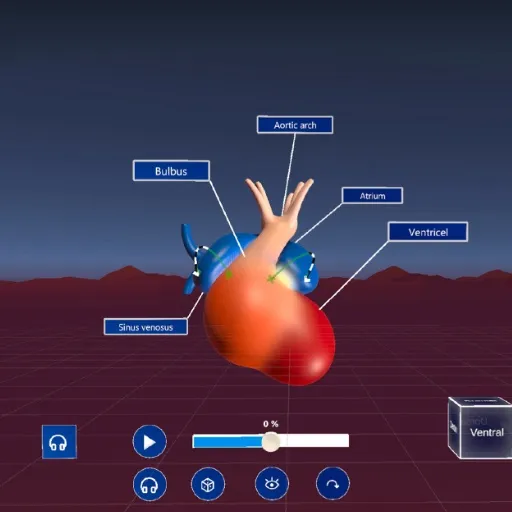
Kunz, M; Schott, D; Wunderling, T; Halloul, M; Hansen, C; Albrecht, A; Braun-Dullaeus, R
Embryonic Heart Development as an Immersive Experience: Unveiling Learning Effects and Influential Factors in Virtual Learning Environments Journal Article
In: Comput. Biol. Med., vol. 187, no. C, 2025.
@article{kunz_embryonic_2025,

title = {Embryonic Heart Development as an Immersive Experience: Unveiling Learning Effects and Influential Factors in Virtual Learning Environments},

author = {M Kunz and D Schott and T Wunderling and M Halloul and C Hansen and A Albrecht and R Braun-Dullaeus},

url = {https://doi.org/10.1016/j.compbiomed.2024.109638

https://pubmed.ncbi.nlm.nih.gov/39923588/, PubMed},

doi = {10.1016/j.compbiomed.2024.109638},

year  = {2025},

date = {2025-04-01},

urldate = {2025-04-01},

journal = {Comput. Biol. Med.},

volume = {187},

number = {C},

abstract = {As the quality and availability of Virtual Reality (VR) technologies improve, their potential applications in medical education, particularly VR Learning Environments (VRLEs), are increasingly explored. VRLEs offer a dynamic platform where educators and students can interact, access materials, and engage in learning beyond traditional classrooms. However, questions remain about their long-term learning effects and potential confounding factors. This study investigates these aspects through a VR application designed for teaching heart embryology. For this reason we conducted a user study with medical students in their early years of training (N = 143). Our findings reveal significant short-term and sustained learning outcomes two to four weeks following a single VR session. Importantly, these outcomes appear largely independent of users’ technical affinity and are minimally influenced by their immersion tendencies. Instead, the quality of the VRLE and its user experience emerge as critical factors. These results underscore the efficacy of well-designed VRLEs in higher education and highlight key areas for future development.},

keywords = {},

pubstate = {published},

tppubtype = {article}

}
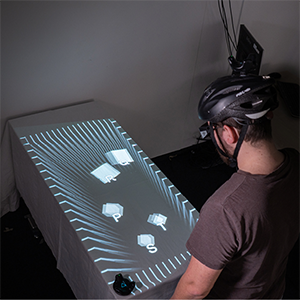
Heinrich, F; Schott, D; Schwenderling, L; Hansen, C
Do You See What I See? Evaluating Relative Depth Judgments Between Real and Virtual Projections Proceedings Article
In: Proceedings of the Extended Abstracts of the CHI Conference on Human Factors in Computing Systems, 2025.
@inproceedings{heinrich_you_2025,

title = {Do You See What I See? Evaluating Relative Depth Judgments Between Real and Virtual Projections},

author = {F Heinrich and D Schott and L Schwenderling and C Hansen},

url = {https://doi.org/10.1145/3706599.3720157},

doi = {10.1145/3706599.3720157},

year  = {2025},

date = {2025-04-01},

urldate = {2025-04-01},

booktitle = {Proceedings of the Extended Abstracts of the CHI Conference on Human Factors in Computing Systems},

series = {CHI EA '25},

abstract = {Projector-based augmented reality (AR) is promising in different domains with less issues in discomfort or shortage of space. However, due to limitations like high costs and cumbersome calibration, this AR modality remains underused. To address this problem, a stereoscopic projector-based AR simulation was implemented for a cost-effective video see-through AR headset. To evaluate the validity of this simulation, a relative depth judgment experiment was conducted to compare this method with a physical projection system. Consistent results suggest that a known interaction effect between visualization and disparity mode could be successfully reproduced using both the physical projection and the virtual simulation. In addition, first findings indicate that there are no significant differences between these projection modalities. The results indicate that other perception-related effects observed for projector-based AR may also be applicable to virtual projection simulations and that future findings determined using only these simulations may also be applicable to real projections.},

keywords = {},

pubstate = {published},

tppubtype = {inproceedings}

}
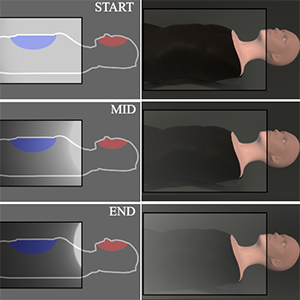
Schwenderling, L; Schotte, M; Joeres, F; Heinrich, F; Hanke, L; Huettl, F; Huber, T; Hansen, C
Teach Me Where to Look: Dual-Task Attention Training in Augmented Reality Proceedings Article
In: Proceedings of the Extended Abstracts of the CHI Conference on Human Factors in Computing Systems, pp. 1–8, ACM, Yokohama Japan, 2025.
@inproceedings{schwenderling_teach_2025,

title = {Teach Me Where to Look: Dual-Task Attention Training in Augmented Reality},

author = {L Schwenderling and M Schotte and F Joeres and F Heinrich and L Hanke and F Huettl and T Huber and C Hansen},

url = {https://dl.acm.org/doi/10.1145/3706599.3720198},

doi = {10.1145/3706599.3720198},

year  = {2025},

date = {2025-04-01},

urldate = {2025-04-01},

booktitle = {Proceedings of the Extended Abstracts of the CHI Conference on Human Factors in Computing Systems},

pages = {1–8},

publisher = {ACM},

address = {Yokohama Japan},

abstract = {Regular eye contact is essential in medicine to recognize signs of pain. However, it is difficult to remember this during training as attention is tied up in learning. While augmented reality (AR) has shown promising results for medical education, there is no training for attention allocation yet. Therefore, three auditory and three visual attention guidance tools in AR are evaluated for their use in medical dual-task training settings. In expert reviews with six participants in human-computer interaction and medical didactics, advantages, disadvantages, and refinements for the cues were developed. For visual cues, an overt but less occluding cue was preferred for constant visibility of the primary task. A more diegetic cue design was proposed for the auditory cues to use a patient simulation as a reminder of the regular face glance. In general, several cues were found to be suitable for gaze guidance training, requiring only minor changes for improvement.},

keywords = {},

pubstate = {published},

tppubtype = {inproceedings}

}
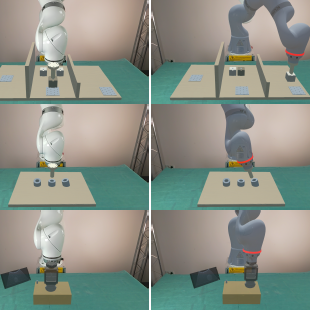
Mielke, T; Allgaier, M; Schott, D; Hansen, C; Heinrich, F
Virtual Studies, Real Results? Assessing the Impact of Virtualization on Human-Robot Interaction Proceedings Article
In: Proceedings of the Extended Abstracts of the CHI Conference on Human Factors in Computing Systems, pp. 1–8, ACM, Yokohama Japan, 2025.
@inproceedings{mielke_virtual_2025,

title = {Virtual Studies, Real Results? Assessing the Impact of Virtualization on Human-Robot Interaction},

author = {T Mielke and M Allgaier and D Schott and C Hansen and F Heinrich},

url = {https://dl.acm.org/doi/10.1145/3706599.3719724},

doi = {10.1145/3706599.3719724},

year  = {2025},

date = {2025-04-01},

urldate = {2025-04-01},

booktitle = {Proceedings of the Extended Abstracts of the CHI Conference on Human Factors in Computing Systems},

pages = {1–8},

publisher = {ACM},

address = {Yokohama Japan},

abstract = {Extended Reality (XR) shows potential for human-centered evaluation of real-world scenarios and could improve efficiency and safety in robotic research. However, the validity of XR Human-Robot Interaction (HRI) studies remains underexplored. This paper investigates the transferability of HRI studies across virtualization levels for three tasks. Our results indicate XR study validity is task-specific, with task virtualization as a key influencing factor. Partially virtualized settings with virtual tasks and a real robot, as well as fully virtualized setups with a simulated robot, yielded results comparable to real setups for pick-and-place and robotic ultrasound. However, for precision-dependent peg-in-hole, differences were observed between real and virtualized conditions regarding completion time, perceived workload, and ease. Demonstrating the task dependency of XR transferability and comparing virtualization levels, our work takes an important step in assessing XR study validity. Future work should isolate factors affecting transferability and assess relative validity in the absence of absolute validity.},

keywords = {},

pubstate = {published},

tppubtype = {inproceedings}

}
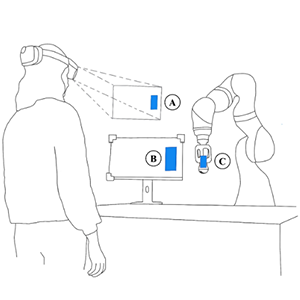
Mielke, T; Heinrich, F; Hansen, C
SensARy Substitution: Augmented Reality Techniques to Enhance Force Perception in Touchless Robot Control Journal Article
In: IEEE Transactions on Visualization and Computer Graphics, vol. 31, no. 5, pp. 3235–3244, 2025.
@article{mielke_sensary_2025,

title = {SensARy Substitution: Augmented Reality Techniques to Enhance Force Perception in Touchless Robot Control},

author = {T Mielke and F Heinrich and C Hansen},

url = {https://ieeexplore.ieee.org/document/10926846},

doi = {10.1109/TVCG.2025.3549856},

year  = {2025},

date = {2025-03-14},

urldate = {2025-03-14},

journal = {IEEE Transactions on Visualization and Computer Graphics},

volume = {31},

number = {5},

pages = {3235–3244},

abstract = {The lack of haptic feedback in touchless human-robot interaction is critical in applications such as robotic ultrasound, where force perception is crucial to ensure image quality. Augmented reality (AR) is a promising tool to address this limitation by providing sensory substitution through visual or vibrotactile feedback. The implementation of visual force feedback requires consideration not only of feedback design but also of positioning. Therefore, we implemented two different visualization types at three different positions and investigated the effects of vibrotactile feedback on these approaches. Furthermore, we examined the effects of multimodal feedback compared to visual or vibrotactile output alone. Our results indicate that sensory substitution eases the interaction in contrast to a feedback-less baseline condition, with the presence of visual support reducing average force errors and being subjectively preferred by the participants. However, the more feedback was provided, the longer users needed to complete their tasks. Regarding visualization design, a 2D bar visualization reduced force errors compared to a 3D arrow concept. Additionally, the visualizations being displayed directly on the ultrasound screen were subjectively preferred. With findings regarding feedback modality and visualization design our work represents an important step toward sensory substitution for touchless human-robot interaction.},

keywords = {},

pubstate = {published},

tppubtype = {article}

}
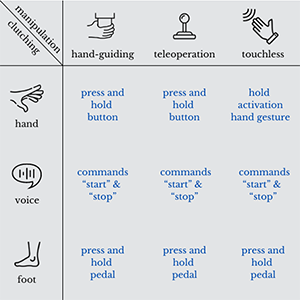
Schreiter, J; Mielke, T; Georgiades, M; Pech, M; Hansen, C; Heinrich, F
Exploring Interaction Concepts for the Manipulation of a Collaborative Robot: A Comparative Study Proceedings Article
In: ACM/IEEE International Conference on Human-Robot Interaction, pp. 55–64, IEEE Press, Melbourne, Australia, 2025.
@inproceedings{schreiter_exploring_2025,

title = {Exploring Interaction Concepts for the Manipulation of a Collaborative Robot: A Comparative Study},

author = {J Schreiter and T Mielke and M Georgiades and M Pech and C Hansen and F Heinrich},

url = {https://ieeexplore.ieee.org/document/10974113},

year  = {2025},

date = {2025-01-01},

urldate = {2025-01-01},

booktitle = {ACM/IEEE International Conference on Human-Robot Interaction},

pages = {55–64},

publisher = {IEEE Press},

address = {Melbourne, Australia},

series = {HRI '25},

abstract = {Robotic systems have the potential to enhance a wide range of domains, such as medical workflows, by automating individual steps of complex processes. However, human-robot interaction (HRI) is of critical importance, as effective collaboration between humans and robots is essential even in highly automated environments. Recent research has predominantly focused on the development of interaction methods rather than systematically comparing existing approaches. Therefore, we conducted a user study (n=20) to compare different HRI concepts for end effector manipulation combined with clutching mechanisms for manipulation activation in an alignment task using the example of robotic ultrasound (US). Manipulation methods included hand-guiding, teleoperation, and touchless interaction, while clutching mechanisms were realized through hand, voice, and foot interaction. The results indicate advantages of hand-guiding for manipulation. While no significant differences were observed between clutching mechanisms, strong evidence suggests comparable performance across these modalities. Notably, significant interaction effects on perceived workload reveal that the optimal clutching mechanism depends on the selected manipulation technique. This work underscores the critical importance of selecting appropriate HRI concepts and understanding the dependencies of manipulation techniques with clutching mechanisms. While our study included the usage of a robotic US, the insights gained are broadly transferable across various domains involving robotic manipulation tasks in human-robot collaboration.},

keywords = {},

pubstate = {published},

tppubtype = {inproceedings}

}
2024
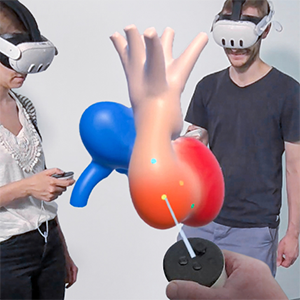
Schott, D; Kunz, M; Heinrich, F; Mandel, J; Albrecht, A; Braun-Dullaeus, R; Hansen, C
Stand Alone or Stay Together: An In-Situ Experiment of Mixed-Reality Applications in Embryonic Anatomy Education Proceedings Article
In: Proceedings of the 30th ACM Symposium on Virtual Reality Software and Technology, 2024.
@inproceedings{schott_stand_2024,

title = {Stand Alone or Stay Together: An In-Situ Experiment of Mixed-Reality Applications in Embryonic Anatomy Education},

author = {D Schott and M Kunz and F Heinrich and J Mandel and A Albrecht and R Braun-Dullaeus and C Hansen},

url = {https://dl.acm.org/doi/10.1145/3641825.3687706},

doi = {10.1145/3641825.3687706},

year  = {2024},

date = {2024-01-01},

urldate = {2024-01-01},

booktitle = {Proceedings of the 30th ACM Symposium on Virtual Reality Software and Technology},

series = {VRST '24},

abstract = {Where traditional media and methods reach their limits in anatomy education, mixed-reality (MR) environments can provide effective learning support because of their high interactivity and spatial visualization capabilities. However, the underlying design and pedagogical requirements are as diverse as the technologies themselves. This paper examines the effectiveness of individual- and collaborative learning environments for anatomy education, using embryonic heart development as an example. Both applications deliver the same content using identical visualizations and hardware but differ in interactivity and pedagogical approach. The environments were evaluated in a user study with medical students (n = 90) during their examination phase, assessing usability, user experience, social interaction/co-presence, cognitive load, and personal preference. Additionally, we conducted a knowledge test before and after an MR learning session to determine educational effects compared to a conventional anatomy seminar. Results indicate that the individual learning environment was generally preferred. However, no significant difference in learning effectiveness could be shown between the conventional approach and the MR applications. This suggests that both can effectively complement traditional seminars despite their different natures. Our study contributes to understanding how different MR settings could be tailored for anatomical education.},

keywords = {},

pubstate = {published},

tppubtype = {inproceedings}

}
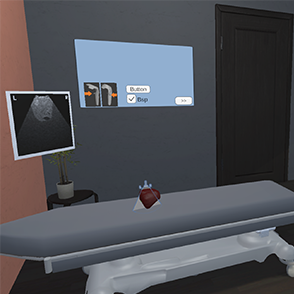
Allgaier, M; Huettl, F; Hanke, L; Huber, T; Preim, B; Saalfeld, S; Hansen, C
Gamification Concepts for a VR-Based Visuospatial Training for Intraoperative Liver Ultrasound Proceedings Article
In: Extended Abstracts of the CHI Conference on Human Factors in Computing Systems, 2024.
@inproceedings{allgaier_gamification_2024,

title = {Gamification Concepts for a VR-Based Visuospatial Training for Intraoperative Liver Ultrasound},

author = {M Allgaier and F Huettl and L Hanke and T Huber and B Preim and S Saalfeld and C Hansen},

url = {https://doi.org/10.1145/3613905.3650736},

doi = {10.1145/3613905.3650736},

year  = {2024},

date = {2024-01-01},

urldate = {2024-01-01},

booktitle = {Extended Abstracts of the CHI Conference on Human Factors in Computing Systems},

series = {CHI EA '24},

abstract = {Gamification is widely used due to its positive influence on learning by adding emotions and steering behavior. In medical VR training applications, the use of gamification is rare, and when it is implemented, it often lacks thoughtful design decisions and empirical evaluation. Using a VR-based training for intraoperative ultrasound for liver surgery, we analyzed game elements regarding their suitability and examined two in more detail: difficulty levels and a kit, where the user has to assemble a virtual liver using US. In a broad audience study, levels achieved significantly better results regarding enjoyment. Qualitative feedback from medical students directly comparing the elements revealed that they prefer the kit as well as levels for training. Our studies indicate that levels and the more interactive kit improve the learning experience, which could also be taken as a basis for similar VR-based medical training applications.},

keywords = {},

pubstate = {published},

tppubtype = {inproceedings}

}
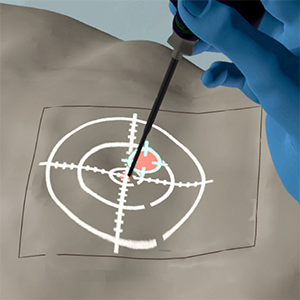
Polenz, L; Joeres, F; Hansen, C; Heinrich, F
Simulating Projective Augmented Reality Visualizations in Virtual Reality: Is VR a Feasible Environment for Medical AR Evaluations? Proceedings Article
In: Extended Abstracts of the CHI Conference on Human Factors in Computing Systems, 2024.
@inproceedings{polenz_simulating_2024,

title = {Simulating Projective Augmented Reality Visualizations in Virtual Reality: Is VR a Feasible Environment for Medical AR Evaluations?},

author = {L Polenz and F Joeres and C Hansen and F Heinrich},

url = {https://doi.org/10.1145/3613905.3650843},

doi = {10.1145/3613905.3650843},

year  = {2024},

date = {2024-01-01},

urldate = {2024-01-01},

booktitle = {Extended Abstracts of the CHI Conference on Human Factors in Computing Systems},

series = {CHI EA '24},

abstract = {Augmented Reality (AR) has demonstrated potential in medical applications, such as enhancing surgical navigation. However, evaluating medical AR visualizations entails high costs and effort to provide suitable hardware solutions. This is particularly crucial in projective AR, as these systems require several error-prone calibration and registration steps. This work investigates the suitability of Virtual Reality (VR) as a cost-effective and controlled study environment for evaluating projective AR visualizations. A virtual twin of a real laboratory environment was created, and a user study comparing two needle navigation visualizations was conducted. The study simulated identical experiments in both AR and VR to assess if similar results would emerge. Our findings indicate that both AR and VR experiments exhibited comparable effects in terms of performance and workload of both needle insertion visualizations. This study serves as a preliminary step in demonstrating the feasibility of using VR as an evaluation environment for projective AR visualizations.},

keywords = {},

pubstate = {published},

tppubtype = {inproceedings}

}
2023
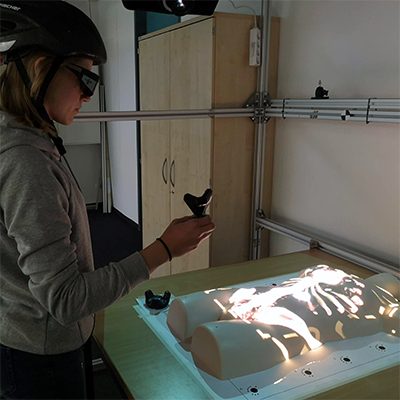
Heinrich, F; Bornemann, K; Polenz, L; Lawonn, K; Hansen, C
Clutch & Grasp: Activation Gestures and Grip Styles for Device-Based Interaction in Medical Spatial Augmented Reality Journal Article
In: International Journal of Human-Computer Studies, vol. 180, pp. 103117, 2023.
@article{heinrich_clutch_2023,

title = {Clutch & Grasp: Activation Gestures and Grip Styles for Device-Based Interaction in Medical Spatial Augmented Reality},

author = {F Heinrich and K Bornemann and L Polenz and K Lawonn and C Hansen},

url = {https://www.sciencedirect.com/science/article/pii/S107158192300126X},

doi = {10.1016/j.ijhcs.2023.103117},

year  = {2023},

date = {2023-12-01},

urldate = {2023-12-01},

journal = {International Journal of Human-Computer Studies},

volume = {180},

pages = {103117},

abstract = {Presenting medical volume data using augmented reality (AR) can facilitate the identification of anatomical structures, the perception of their spatial relations and the development of mental maps compared to more commonly used monitors. However, interaction methods explored in these conventional settings may not be applicable in AR environments, or perform differently. In terms of mode activation, gestural interaction was shown to be a viable, touchless alternative to traditional input devices, which is desirable in sterile medical use cases. Therefore, we present a user study (n = 21) comparing hand and foot gestures with voice commands for the activation of interaction modes within a projector-based, spatial AR prototype to visualize medical volume data. Interaction itself was performed via hand movements captured by a data glove. Consistent, statistically significant results across measured variables suggest advantages of voice commands. In addition, a second experiment (n = 17) compared the hand-based interaction with two motion-sensitive devices held in power and in precision grip respectively. All modes were activated using voice commands. No considerable differences between tested grip styles could be determined. The findings suggest that the choice of preferable interaction devices is user and use case dependent.},

keywords = {},

pubstate = {published},

tppubtype = {article}

}
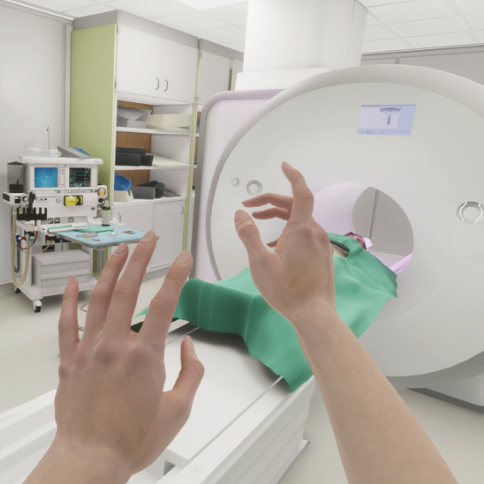
Schott, D; Heinrich, F; Stallmeister, L; Moritz, J; Hensen, B; Hansen, C
Is This the vReal Life? Manipulating Visual Fidelity of Immersive Environments for Medical Task Simulation Proceedings Article
In: 2023 IEEE International Symposium on Mixed and Augmented Reality (ISMAR), pp. 1171–1180, IEEE, Sydney, Australia, 2023.
@inproceedings{schott_is_2023,

title = {Is This the vReal Life? Manipulating Visual Fidelity of Immersive Environments for Medical Task Simulation},

author = {D Schott and F Heinrich and L Stallmeister and J Moritz and B Hensen and C Hansen},

url = {https://ieeexplore.ieee.org/document/10316533/},

doi = {10.1109/ISMAR59233.2023.00134},

year  = {2023},

date = {2023-10-01},

urldate = {2023-10-01},

booktitle = {2023 IEEE International Symposium on Mixed and Augmented Reality (ISMAR)},

pages = {1171–1180},

publisher = {IEEE},

address = {Sydney, Australia},

abstract = {Recent developments and research advances contribute to an ever-increasing trend towards quality levels close to what we experience in reality. In this work, we investigate how different degrees of these quality characteristics affect user performance, qualia of user experience (UX), and sense of presence in an example medical task. To this end, a two-way within-subjects design user study was conducted, in which three different levels of visual fidelity were compared. In addition, two different interaction modalities were considered: (1) the use of conventional VR controllers and (2) natural hand interaction using 3D-printed, spatially-registered replicas of medical devices, to interact with their virtual representations. Consistent results indicate that higher degrees of visual fidelity evoke a higher sense of presence and UX. However, user performance was less affected. Moreover, no differences were detected between both interaction modalities for the examined task. Future work should investigate the discovered interaction effects between quality levels and interaction modalities in more detail and examine whether these results can be reproduced in tasks that require more precision. This work provides insights into the implications to consider when studying interactions in VR and paves the way for investigations into early phases of medical product development and workflow analysis.},

keywords = {},

pubstate = {published},

tppubtype = {inproceedings}

}
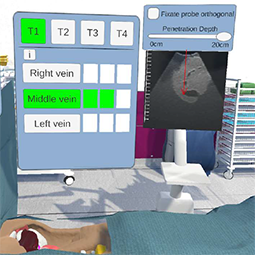
Allgaier, M; Huettl, F; Hanke, L; Lang, H; Huber, T; Preim, B; Saalfeld, S; Hansen, C
LiVRSono - Virtual Reality Training with Haptics for Intraoperative Ultrasound Proceedings Article
In: 2023 IEEE International Symposium on Mixed and Augmented Reality (ISMAR), pp. 980–989, IEEE, Sydney, Australia, 2023.
@inproceedings{allgaier_livrsono_2023,

title = {LiVRSono - Virtual Reality Training with Haptics for Intraoperative Ultrasound},

author = {M Allgaier and F Huettl and L Hanke and H Lang and T Huber and B Preim and S Saalfeld and C Hansen},

url = {https://ieeexplore.ieee.org/document/10316488/},

doi = {10.1109/ISMAR59233.2023.00114},

year  = {2023},

date = {2023-10-01},

urldate = {2023-10-01},

booktitle = {2023 IEEE International Symposium on Mixed and Augmented Reality (ISMAR)},

pages = {980–989},

publisher = {IEEE},

address = {Sydney, Australia},

abstract = {One of the biggest challenges in using ultrasound (US) is learning to create a spatial mental model of the interior of the scanned object based on the US image and the probe position. As intraoperative ultrasound (IOUS) cannot be easily trained on patients, we present LiVRSono, an immersive VR application to train this skill. The immersive environment, including an US simulation with patientspecific data as well as haptics to support hand-eye coordination, provides a realistic setting. Four clinically relevant training scenarios were identified based on the described learning goal and the workflow of IOUS for liver. The realism of the setting and the training scenarios were evaluated with eleven physicians, of which six participants are experts in IOUS for liver and five participants are potential users of the training system. The setting, handling of the US probe, and US image were considered realistic enough for the learning goal. Regarding the haptic feedback, a limitation is the restricted workspace of the input device. Three of the four training scenarios were rated as meaningful and effective. A pilot study regarding learning outcome shows positive results, especially with respect to confidence and perceived competence. Besides the drawbacks of the input device, our training system provides a realistic learning environment with meaningful scenarios to train the creation of a mental 3D model when performing IOUS. We also identified important improvements to the training scenarios to further enhance the training experience.},

keywords = {},

pubstate = {published},

tppubtype = {inproceedings}

}
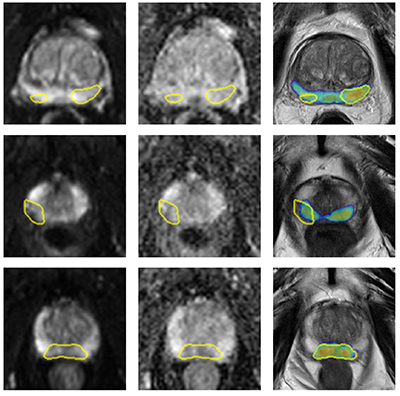
Bashkanov, O; Rak, M; Meyer, A; Engelage, L; Lumiani, A; Muschter, R; Hansen, C
Automatic Detection of Prostate Cancer Grades and Chronic Prostatitis in Biparametric MRI Journal Article
In: Computer Methods and Programs in Biomedicine, vol. 239, pp. 107624, 2023.
@article{bashkanov_automatic_2023,

title = {Automatic Detection of Prostate Cancer Grades and Chronic Prostatitis in Biparametric MRI},

author = {O Bashkanov and M Rak and A Meyer and L Engelage and A Lumiani and R Muschter and C Hansen},

url = {https://www.sciencedirect.com/science/article/pii/S0169260723002894

https://pubmed.ncbi.nlm.nih.gov/37271051/, PubMed},

doi = {10.1016/j.cmpb.2023.107624},

year  = {2023},

date = {2023-09-01},

urldate = {2023-09-01},

journal = {Computer Methods and Programs in Biomedicine},

volume = {239},

pages = {107624},

abstract = {Background and objective:With emerging evidence to improve prostate cancer (PCa) screening, multiparametric magnetic prostate imaging is becoming an essential noninvasive component of the diagnostic routine. Computer-aided diagnostic (CAD) tools powered by deep learning can help radiologists interpret multiple volumetric images. In this work, our objective was to examine promising methods recently proposed in the multigrade prostate cancer detection task and to suggest practical considerations regarding model training in this context. Methods:We collected 1647 fine-grained biopsy-confirmed findings, including Gleason scores and prostatitis, to form a training dataset. In our experimental framework for lesion detection, all models utilized 3D nnU-Net architecture that accounts for anisotropy in the MRI data. First, we explore an optimal range of b-values for diffusion-weighted imaging (DWI) modality and its effect on the detection of clinically significant prostate cancer (csPCa) and prostatitis using deep learning, as the optimal range is not yet clearly defined in this domain. Next, we propose a simulated multimodal shift as a data augmentation technique to compensate for the multimodal shift present in the data. Third, we study the effect of incorporating the prostatitis class alongside cancer-related findings at three different granularities of the prostate cancer class (coarse, medium, and fine) and its impact on the detection rate of the target csPCa. Furthermore, ordinal and one-hot encoded (OHE) output formulations were tested. Results: An optimal model configuration with fine class granularity (prostatitis included) and OHE has scored the lesion-wise partial Free-Response Receiver Operating Characteristic (FROC) area under the curve (AUC) of 1.94 (CI 95%: 1.76–2.11) and patient-wise ROC AUC of 0.874 (CI 95%: 0.793–0.938) in the detection of csPCa. Inclusion of the auxiliary prostatitis class has demonstrated a stable relative improvement in specificity at a false positive rate (FPR) of 1.0 per patient, with an increase of 3%, 7%, and 4% for coarse, medium, and fine class granularities. Conclusions: This paper examines several configurations for model training in the biparametric MRI setup and proposes optimal value ranges. It also shows that the fine-grained class configuration, including prostatitis, is beneficial for detecting csPCa. The ability to detect prostatitis in all low-risk cancer lesions suggests the potential to improve the quality of the early diagnosis of prostate diseases. It also implies an improved interpretability of the results by the radiologist.},

keywords = {},

pubstate = {published},

tppubtype = {article}

}
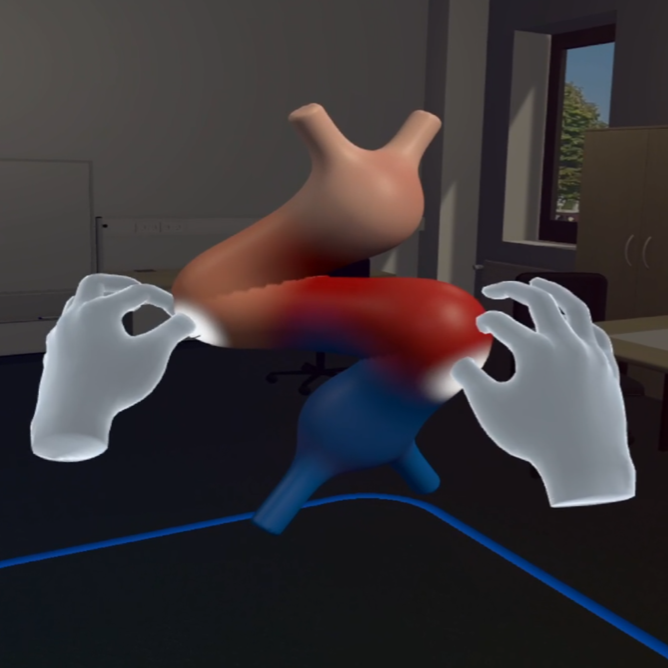
Schott, D; Kunz, M; Wunderling, T; Heinrich, F; Braun-Dullaeus, R; Hansen, C
CardioGenesis4D: Interactive Morphological Transitions of Embryonic Heart Development in a Virtual Learning Environment Journal Article
In: IEEE Transactions on Visualization and Computer Graphics, vol. 29, no. 5, pp. 2615–2625, 2023.
@article{schott_cardiogenesis4d_2023,

title = {CardioGenesis4D: Interactive Morphological Transitions of Embryonic Heart Development in a Virtual Learning Environment},

author = {D Schott and M Kunz and T Wunderling and F Heinrich and R Braun-Dullaeus and C Hansen},

url = {https://ieeexplore.ieee.org/document/10049681},

doi = {10.1109/TVCG.2023.3247110},

year  = {2023},

date = {2023-05-01},

urldate = {2023-05-01},

journal = {IEEE Transactions on Visualization and Computer Graphics},

volume = {29},

number = {5},

pages = {2615–2625},

abstract = {In the embryonic human heart, complex dynamic shape changes take place in a short period of time on a microscopic scale, making this development difficult to visualize. However, spatial understanding of these processes is essential for students and future cardiologists to properly diagnose and treat congenital heart defects. Following a user centered approach, the most crucial embryological stages were identified and translated into a virtual reality learning environment (VRLE) to enable the understanding of the morphological transitions of these stages through advanced interactions. To address individual learning types, we implemented different features and evaluated the application regarding usability, perceived task load, and sense of presence in a user study. We also assessed spatial awareness and knowledge gain, and finally obtained feedback from domain experts. Overall, students and professionals rated the application positively. To minimize distraction from interactive learning content, such VRLEs should consider features for different learning types, allow for gradual habituation, and at the same time provide enough playful stimuli. Our work previews how VR can be integrated into a cardiac embryology education curriculum.},

keywords = {},

pubstate = {published},

tppubtype = {article}

}
2022
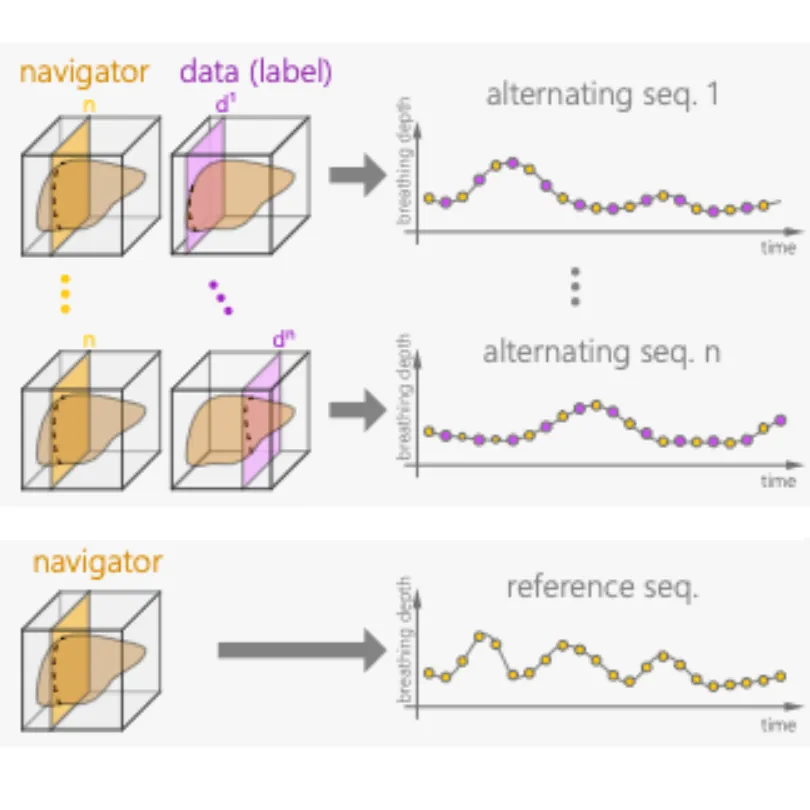
Gulamhussene, G; Meyer, A; Rak, M; Bashkanov, O; Omari, J; Pech, M; Hansen, C
Predicting 4D Liver MRI for MR-Guided Interventions Journal Article
In: Computerized Medical Imaging and Graphics, vol. 101, pp. 102122, 2022.
@article{gulamhussene_predicting_2022,

title = {Predicting 4D Liver MRI for MR-Guided Interventions},

author = {G Gulamhussene and A Meyer and M Rak and O Bashkanov and J Omari and M Pech and C Hansen},

url = {https://www.sciencedirect.com/science/article/pii/S0895611122000921

https://pubmed.ncbi.nlm.nih.gov/36122484/, PubMed},

doi = {10.1016/j.compmedimag.2022.102122},

year  = {2022},

date = {2022-10-01},

urldate = {2022-10-01},

journal = {Computerized Medical Imaging and Graphics},

volume = {101},

pages = {102122},

abstract = {Organ motion poses an unresolved challenge in image-guided interventions like radiation therapy, biopsies or tumor ablation. In the pursuit of solving this problem, the research field of time-resolved volumetric magnetic resonance imaging (4D MRI) has evolved. However, current techniques are unsuitable for most interventional settings because they lack sufficient temporal and/or spatial resolution or have long acquisition times. In this work, we propose a novel approach for real-time, high-resolution 4D MRI with large fields of view for MR-guided interventions. To this end, we propose a network-agnostic, end-to-end trainable, deep learning formulation that enables the prediction of a 4D liver MRI with respiratory states from a live 2D navigator MRI. Our method can be used in two ways: First, it can reconstruct high quality fast (near real-time) 4D MRI with high resolution (209×128×128 matrix size with isotropic 1.8mm voxel size and 0.6s/volume) given a dynamic interventional 2D navigator slice for guidance during an intervention. Second, it can be used for retrospective 4D reconstruction with a temporal resolution of below 0.2s/volume for motion analysis and use in radiation therapy. We report a mean target registration error (TRE) of 1.19±0.74mm, which is below voxel size. We compare our results with a state-of-the-art retrospective 4D MRI reconstruction. Visual evaluation shows comparable quality. We compare different network architectures within our formulation. We show that small training sizes with short acquisition times down to 2 min can already achieve promising results and 24 min are sufficient for high quality results. Because our method can be readily combined with earlier time reducing methods, acquisition time can be further decreased while also limiting quality loss. We show that an end-to-end, deep learning formulation is highly promising for 4D MRI reconstruction.},

keywords = {},

pubstate = {published},

tppubtype = {article}

}
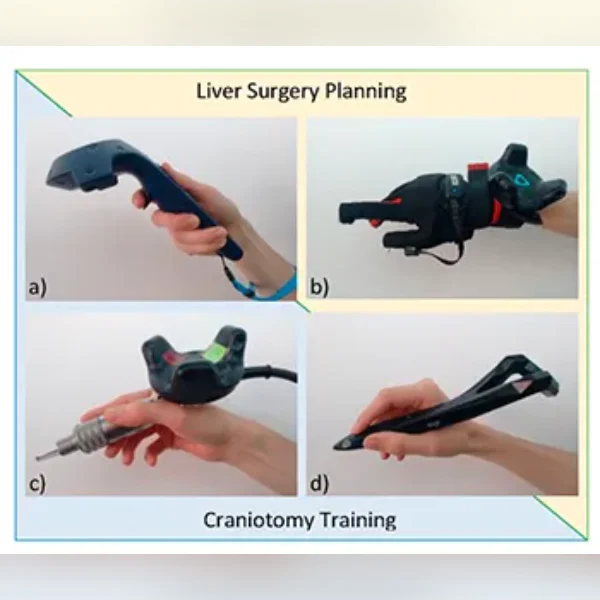
Allgaier, M; Chheang, V; Saalfeld, P; Apilla, V; Huber, T; Huettl, F; Neyazi, B; Sandalcioglu, E; Hansen, C; Preim, B; Saalfeld, P
A Comparison of Input Devices for Precise Interaction Tasks in VR-Based Surgical Planning and Training Journal Article
In: Computers in Biology and Medicine, vol. 145, pp. 105429, 2022.
@article{allgaier_comparison_2022,

title = {A Comparison of Input Devices for Precise Interaction Tasks in VR-Based Surgical Planning and Training},

author = {M Allgaier and V Chheang and P Saalfeld and V Apilla and T Huber and F Huettl and B Neyazi and E Sandalcioglu and C Hansen and B Preim and P Saalfeld},

url = {https://www.sciencedirect.com/science/article/pii/S0010482522002219

https://pubmed.ncbi.nlm.nih.gov/35349800/, PubMed},

doi = {10.1016/j.compbiomed.2022.105429},

year  = {2022},

date = {2022-06-01},

urldate = {2022-06-01},

journal = {Computers in Biology and Medicine},

volume = {145},

pages = {105429},

abstract = {To exploit the potential of virtual reality (VR) in medicine, the input devices must be selected carefully due to their different benefits. In this work, input devices for common interaction tasks in medical VR planning and training are compared. Depending on the specific purpose, different requirements exist. Therefore, an appropriate trade-off between meeting task-specific requirements and having a widely applicable device has to be found. We focus on two medical use cases, liver surgery planning and craniotomy training, to cover a broad medical domain. Based on these, relevant input devices are compared with respect to their suitability for performing precise VR interaction tasks. The devices are standard VR controllers, a pen-like VR Ink, data gloves and a real craniotome, the medical instrument used for craniotomy. The input devices were quantitatively compared with respect to their performance based on different measurements. The controllers and VR Ink performed significantly better than the remaining two devices regarding precision. Qualitative data concerning task load, cybersickness, and usability and appropriateness of the devices were assessed. Although no device stands out for both applications, most participants preferred using the VR Ink, followed by the controller and finally the data gloves and craniotome. These results can guide the selection of an appropriate device for future medical VR applications.},

keywords = {},

pubstate = {published},

tppubtype = {article}

}

Heinrich, F; Schwenderling, L; Joeres, F; Hansen, C
2D Versus 3D: A Comparison of Needle Navigation Concepts between Augmented Reality Display Devices Proceedings Article
In: 2022 IEEE Conference on Virtual Reality and 3D User Interfaces (VR), pp. 260–269, 2022.
@inproceedings{heinrich_2d_2022,

title = {2D Versus 3D: A Comparison of Needle Navigation Concepts between Augmented Reality Display Devices},

author = {F Heinrich and L Schwenderling and F Joeres and C Hansen},

url = {https://ieeexplore.ieee.org/document/9756753},

doi = {10.1109/VR51125.2022.00045},

year  = {2022},

date = {2022-03-01},

urldate = {2022-03-01},

booktitle = {2022 IEEE Conference on Virtual Reality and 3D User Interfaces (VR)},

pages = {260–269},

abstract = {Surgical procedures requiring needle navigation assistance suffer from complicated hand-eye coordination and are mentally demanding. Augmented reality (AR) can help overcome these issues. How-ever, only an insufficient amount of fundamental research has focused on the design and hardware selection of such AR needle navigation systems. This work contributes to this research area by presenting a user study (n=24) comparing three state-of-the-art navigation concepts displayed by an optical see-through head-mounted display and a stereoscopic projection system. A two-dimensional glyph visualization resulted in higher targeting accuracy but required more needle insertion time. In contrast, punctures guided by a three-dimensional see-through vision concept were less accurate but faster and were favored in a qualitative interview. The third concept, a static representation of the correctly positioned needle, showed too high target errors for clinical accuracy needs. This concept per-formed worse when displayed by the projection system. Besides that, no meaningful differences between the evaluated AR display devices were detected. User preferences and use case restrictions, e.g., sterility requirements, seem to be more crucial selection criteria. Future work should focus on improving the accuracy of the see-through vision concept. Until then, the glyph visualization is recommended.},

keywords = {},

pubstate = {published},

tppubtype = {inproceedings}

}
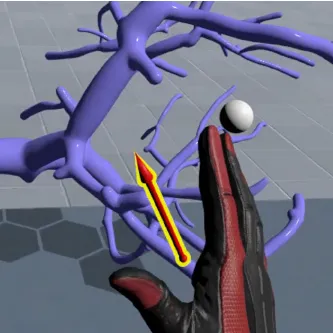
Hombeck, J; Meuschke, M; Zyla, L; Heuser, A; Toader, J; Popp, F; Bruns, C; Hansen, C; Datta, R; Lawonn, K
Evaluating Perceptional Tasks for Medicine: A Comparative User Study Between a Virtual Reality and a Desktop Application Proceedings Article
In: 2022 IEEE Conference on Virtual Reality and 3D User Interfaces (VR), pp. 514–523, 2022.
@inproceedings{hombeck_evaluating_2022,

title = {Evaluating Perceptional Tasks for Medicine: A Comparative User Study Between a Virtual Reality and a Desktop Application},

author = {J Hombeck and M Meuschke and L Zyla and A Heuser and J Toader and F Popp and C Bruns and C Hansen and R Datta and K Lawonn},

url = {https://ieeexplore.ieee.org/abstract/document/9756759},

doi = {10.1109/VR51125.2022.00071},

year  = {2022},

date = {2022-03-01},

urldate = {2022-03-01},

booktitle = {2022 IEEE Conference on Virtual Reality and 3D User Interfaces (VR)},

pages = {514–523},

abstract = {Since for most consumers the Virtual Reality (VR) experience exceeds that of desktop applications, an increasing number of applications is being transferred from desktop to VR. Industrial and entertainment applications primarily expect for a richer consumer experience, while others, such as surgical applications, seek for improved precision over their desktop counterparts. One way to improve the performance of precision-based VR applications is to provide suitable visualizations. Today, these "suitable" visualizations are mostly transferred from desktop to VR without considering their spatial and temporal performance might change in VR. This may not lead to an optimal solution, which can be crucial for precision-based tasks. Misinterpretation of shape or distance in a surgical or pre-operative simulation can affect the chosen treatment and thus directly impact the outcome. Therefore, we evaluate the performance differences of multiple visualizations for 3D surfaces based on their shape and distance estimation for desktop and VR applications. We conducted a quantitative user study with 56 participants evaluating seven visualizations (Phong, Toon, Fresnel, Pseudo-Chromadepth, Heatmap, Isolines, and Arrow Glyphs). Our results show that the performance of each visualization varies depending on the task, system, and surface type, with VR generally providing improved results. While Isolines are able to improve distance estimation, Phong and Heatmaps are beneficial for shape estimation.},

keywords = {},

pubstate = {published},

tppubtype = {inproceedings}

}
2021
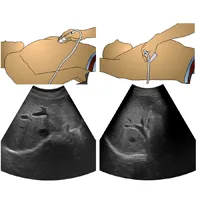
Wei, W; Haishan, X; Alpers, J; Rak, M; Hansen, C
A Deep Learning Approach for 2D Ultrasound and 3D CT/MR Image Registration in Liver Tumor Ablation Journal Article
In: Computer Methods and Programs in Biomedicine, vol. 206, pp. 106117, 2021.
@article{wei_deep_2021,

title = {A Deep Learning Approach for 2D Ultrasound and 3D CT/MR Image Registration in Liver Tumor Ablation},

author = {W Wei and X Haishan and J Alpers and M Rak and C Hansen},

url = {https://www.sciencedirect.com/science/article/pii/S0169260721001929

https://pubmed.ncbi.nlm.nih.gov/34022696/, PubMed},

doi = {10.1016/j.cmpb.2021.106117},

year  = {2021},

date = {2021-07-01},

urldate = {2021-07-01},

journal = {Computer Methods and Programs in Biomedicine},

volume = {206},

pages = {106117},

abstract = {Background and Objective

Liver tumor ablation is often guided by ultrasound (US). Due to poor image quality, intraoperative US is fused with preoperative computed tomography or magnetic tomography (CT/MR) images to provide visual guidance. As of today, the underlying 2D US to 3D CT/MR registration problem remains a very challenging task.

Methods

We propose a novel pipeline to address this registration problem. Contrary to previous work, we do not formulate the problem as a regression task, which - for the given registration problem - achieves a low performance regarding accuracy and robustness due to the limited US soft-tissue contrast and the inter-patient variability on liver vessels. Instead, we first estimate the US probe angle roughly by using a classification network. Given this coarse initialization, we then improve the registration by formulation of the problem as a segmentation task, estimating the US plane in the 3D CT/MR through segmentation.

Results

We benchmark our approach on 1035 clinical images from 52 patients, yielding average registration errors of 11.6° and 4.7 mm, which outperforms the state of the art SVR method[1].

Conclusion

Our results show the efficiency of the proposed registration pipeline, which has potential to improve the robustness and accuracy of intraoperative patient registration.},

keywords = {},

pubstate = {published},

tppubtype = {article}

}
Liver tumor ablation is often guided by ultrasound (US). Due to poor image quality, intraoperative US is fused with preoperative computed tomography or magnetic tomography (CT/MR) images to provide visual guidance. As of today, the underlying 2D US to 3D CT/MR registration problem remains a very challenging task.
Methods
We propose a novel pipeline to address this registration problem. Contrary to previous work, we do not formulate the problem as a regression task, which - for the given registration problem - achieves a low performance regarding accuracy and robustness due to the limited US soft-tissue contrast and the inter-patient variability on liver vessels. Instead, we first estimate the US probe angle roughly by using a classification network. Given this coarse initialization, we then improve the registration by formulation of the problem as a segmentation task, estimating the US plane in the 3D CT/MR through segmentation.
Results
We benchmark our approach on 1035 clinical images from 52 patients, yielding average registration errors of 11.6° and 4.7 mm, which outperforms the state of the art SVR method[1].
Conclusion
Our results show the efficiency of the proposed registration pipeline, which has potential to improve the robustness and accuracy of intraoperative patient registration.
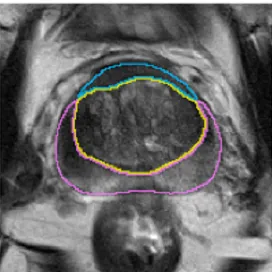
Meyer, A; Ghosh, S; Schindele, D; Schostak, M; Stober, S; Hansen, C; Rak, M
Uncertainty-Aware Temporal Self-Learning (UATS): Semi-Supervised Learning for Segmentation of Prostate Zones and Beyond Journal Article
In: Artificial Intelligence in Medicine, vol. 116, pp. 102073, 2021.
@article{meyer_uncertainty-aware_2021,

title = {Uncertainty-Aware Temporal Self-Learning (UATS): Semi-Supervised Learning for Segmentation of Prostate Zones and Beyond},

author = {A Meyer and S Ghosh and D Schindele and M Schostak and S Stober and C Hansen and M Rak},

url = {https://arxiv.org/abs/2104.03840, arXiv

https://pubmed.ncbi.nlm.nih.gov/34020751/, PubMed},

doi = {10.1016/j.artmed.2021.102073},

year  = {2021},

date = {2021-04-01},

urldate = {2021-04-01},

journal = {Artificial Intelligence in Medicine},

volume = {116},

pages = {102073},

publisher = {arXiv},

abstract = {Various convolutional neural network (CNN) based concepts have been introduced for the prostate's automatic segmentation and its coarse subdivision into transition zone (TZ) and peripheral zone (PZ). However, when targeting a fine-grained segmentation of TZ, PZ, distal prostatic urethra (DPU) and the anterior fibromuscular stroma (AFS), the task becomes more challenging and has not yet been solved at the level of human performance. One reason might be the insufficient amount of labeled data for supervised training. Therefore, we propose to apply a semi-supervised learning (SSL) technique named uncertainty-aware temporal self-learning (UATS) to overcome the expensive and time-consuming manual ground truth labeling. We combine the SSL techniques temporal ensembling and uncertainty-guided self-learning to benefit from unlabeled images, which are often readily available. Our method significantly outperforms the supervised baseline and obtained a Dice coefficient (DC) of up to 78.9% , 87.3%, 75.3%, 50.6% for TZ, PZ, DPU and AFS, respectively. The obtained results are in the range of human inter-rater performance for all structures. Moreover, we investigate the method's robustness against noise and demonstrate the generalization capability for varying ratios of labeled data and on other challenging tasks, namely the hippocampus and skin lesion segmentation. UATS achieved superiority segmentation quality compared to the supervised baseline, particularly for minimal amounts of labeled data.},

keywords = {},

pubstate = {published},

tppubtype = {article}

}
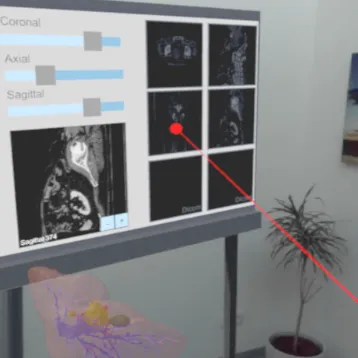
Schott, D; Saalfeld, P; Schmidt, G; Joeres, F; Boedecker, C; Huettl, F; Lang, H; Huber, T; Preim, B; Hansen, C
A VR/AR Environment for Multi-User Liver Anatomy Education Proceedings Article
In: 2021 IEEE Virtual Reality and 3D User Interfaces (VR), pp. 296–305, IEEE, Lisboa, Portugal, 2021.
@inproceedings{schott_vrar_2021,

title = {A VR/AR Environment for Multi-User Liver Anatomy Education},

author = {D Schott and P Saalfeld and G Schmidt and F Joeres and C Boedecker and F Huettl and H Lang and T Huber and B Preim and C Hansen},

url = {https://ieeexplore.ieee.org/document/9417662/},

doi = {10.1109/VR50410.2021.00052},

year  = {2021},

date = {2021-03-01},

urldate = {2021-03-01},

booktitle = {2021 IEEE Virtual Reality and 3D User Interfaces (VR)},

pages = {296–305},

publisher = {IEEE},

address = {Lisboa, Portugal},

abstract = {We present a Virtual and Augmented Reality multi-user prototype of a learning environment for liver anatomy education. Our system supports various training scenarios ranging from small learning groups to classroom-size education, where students and teachers can participate in virtual reality, augmented reality, or via desktop PCs. In an iterative development process with surgeons and teachers, a virtual organ library was created. Nineteen liver data sets were used comprising 3D surface models, 2D image data, pathology information, diagnosis and treatment decisions. These data sets can interactively be sorted and investigated individually regarding their volumetric and meta information. The three participation modes were evaluated within a user study with surgery lecturers (5) and medical students (5). We assessed the usability and presence using questionnaires. Additionally, we collected qualitative data with semistructured interviews. A total of 435 individual statements were recorded and summarized to 49 statements. The results show that our prototype is usable, induces presence, and potentially support the teaching of liver anatomy and surgery in the future.},

keywords = {},

pubstate = {published},

tppubtype = {inproceedings}

}
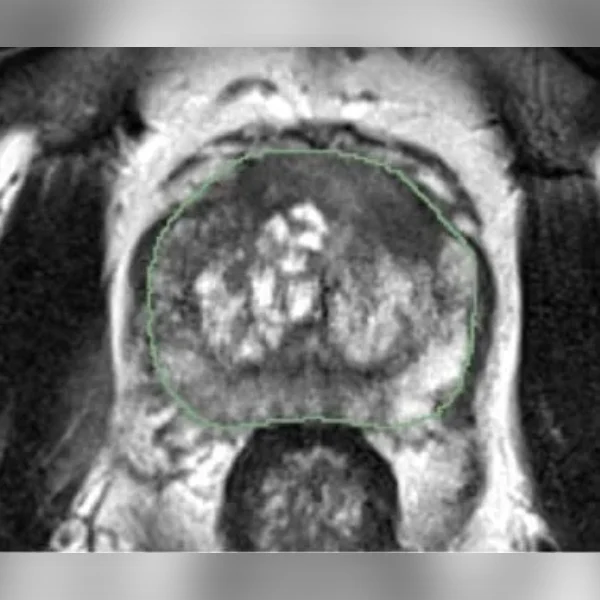
Meyer, A; Chlebus, G; Rak, M; Schindele, D; Schostak, M; Ginneken, B; Schenk, A; Meine, H; Hahn, H; Schreiber, A; Hansen, C
Anisotropic 3D Multi-Stream CNN for Accurate Prostate Segmentation from Multi-Planar MRI Journal Article
In: Computer Methods and Programs in Biomedicine, vol. 200, pp. 105821, 2021.
@article{meyer_anisotropic_2021,

title = {Anisotropic 3D Multi-Stream CNN for Accurate Prostate Segmentation from Multi-Planar MRI},

author = {A Meyer and G Chlebus and M Rak and D Schindele and M Schostak and B Ginneken and A Schenk and H Meine and H Hahn and A Schreiber and C Hansen},

url = {http://arxiv.org/abs/2009.11120

https://pubmed.ncbi.nlm.nih.gov/33218704/, PubMed},

doi = {10.1016/j.cmpb.2020.105821},

year  = {2021},

date = {2021-03-01},

urldate = {2021-03-01},

journal = {Computer Methods and Programs in Biomedicine},

volume = {200},

pages = {105821},

abstract = {Background and Objective: Accurate and reliable segmentation of the prostate gland in MR images can support the clinical assessment of prostate cancer, as well as the planning and monitoring of focal and loco-regional therapeutic interventions. Despite the availability of multi-planar MR scans due to standardized protocols, the majority of segmentation approaches presented in the literature consider the axial scans only. Methods: We propose an anisotropic 3D multi-stream CNN architecture, which processes additional scan directions to produce a higher-resolution isotropic prostate segmentation. We investigate two variants of our architecture, which work on two (dual-plane) and three (triple-plane) image orientations, respectively. We compare them with the standard baseline (single-plane) used in literature, i.e., plain axial segmentation. To realize a fair comparison, we employ a hyperparameter optimization strategy to select optimal configurations for the individual approaches. Results: Training and evaluation on two datasets spanning multiple sites obtain statistical significant improvement over the plain axial segmentation ($p<0.05$ on the Dice similarity coefficient). The improvement can be observed especially at the base ($0.898$ single-plane vs. $0.906$ triple-plane) and apex ($0.888$ single-plane vs. $0.901$ dual-plane). Conclusion: This study indicates that models employing two or three scan directions are superior to plain axial segmentation. The knowledge of precise boundaries of the prostate is crucial for the conservation of risk structures. Thus, the proposed models have the potential to improve the outcome of prostate cancer diagnosis and therapies.},

keywords = {},

pubstate = {published},

tppubtype = {article}

}
Alpers, J; Reimert, D; Rötzer, M; Gerlach, T; Gutberlet, M; Wacker, F; Hensen, B; Hansen, C
2.5D Thermometry Maps for MRI-Guided Tumor Ablation Proceedings Article
In: Medical Image Computing and Computer Assisted Intervention (MICCAI), pp. 311–320, 2021.
@inproceedings{alpers_25d_2021,

title = {2.5D Thermometry Maps for MRI-Guided Tumor Ablation},

author = {J Alpers and D Reimert and M Rötzer and T Gerlach and M Gutberlet and F Wacker and B Hensen and C Hansen},

url = {http://arxiv.org/abs/2108.05734},

doi = {10.1007/978-3-030-87202-1_30},

year  = {2021},

date = {2021-01-01},

urldate = {2021-01-01},

booktitle = {Medical Image Computing and Computer Assisted Intervention (MICCAI)},

pages = {311–320},

abstract = {Fast and reliable monitoring of volumetric heat distribution during MRI-guided tumor ablation is an urgent clinical need. In this work, we introduce a method for generating 2.5D thermometry maps from uniformly distributed 2D MRI phase images rotated around the applicator's main axis. The images can be fetched directly from the MR device, reducing the delay between image acquisition and visualization. For reconstruction, we use a weighted interpolation on a cylindric coordinate representation to calculate the heat value of voxels in a region of interest. A pilot study on 13 ex vivo bio protein phantoms with flexible tubes to simulate a heat sink effect was conducted to evaluate our method. After thermal ablation, we compared the measured coagulation zone extracted from the post-treatment MR data set with the output of the 2.5D thermometry map. The results show a mean Dice score of 0.75+-0.07, a sensitivity of 0.77+-0.03, and a reconstruction time within 18.02ms+-5.91ms. Future steps should address improving temporal resolution and accuracy, e.g., incorporating advanced bioheat transfer simulations.},

keywords = {},

pubstate = {published},

tppubtype = {inproceedings}

}
2020

Heinrich, F; Schwenderling, L; Joeres, F; Lawonn, K; Hansen, C
Comparison of Augmented Reality Display Techniques to Support Medical Needle Insertion Journal Article
In: IEEE Transactions on Visualization and Computer Graphics, vol. 26, no. 12, pp. 3568–3575, 2020.
@article{heinrich_comparison_2020,

title = {Comparison of Augmented Reality Display Techniques to Support Medical Needle Insertion},

author = {F Heinrich and L Schwenderling and F Joeres and K Lawonn and C Hansen},

url = {https://ieeexplore.ieee.org/abstract/document/9211732},

doi = {10.1109/TVCG.2020.3023637},

year  = {2020},

date = {2020-12-01},

urldate = {2020-12-01},

journal = {IEEE Transactions on Visualization and Computer Graphics},

volume = {26},

number = {12},

pages = {3568–3575},

abstract = {Augmented reality (AR) may be a useful technique to overcome issues of conventionally used navigation systems supporting medical needle insertions, like increased mental workload and complicated hand-eye coordination. Previous research primarily focused on the development of AR navigation systems designed for specific displaying devices, but differences between employed methods have not been investigated before. To this end, a user study involving a needle insertion task was conducted comparing different AR display techniques with a monitor-based approach as baseline condition for the visualization of navigation information. A video see-through stationary display, an optical see-through head-mounted display and a spatial AR projector-camera-system were investigated in this comparison. Results suggest advantages of using projected navigation information in terms of lower task completion time, lower angular deviation and affirmative subjective participant feedback. Techniques requiring the intermediate view on screens, i.e. the stationary display and the baseline condition, showed less favorable results. Thus, benefits of providing AR navigation information compared to a conventionally used method could be identified. Significant objective measures results, as well as an identification of advantages and disadvantages of individual display techniques contribute to the development and design of improved needle navigation systems.},

keywords = {},

pubstate = {published},

tppubtype = {article}

}
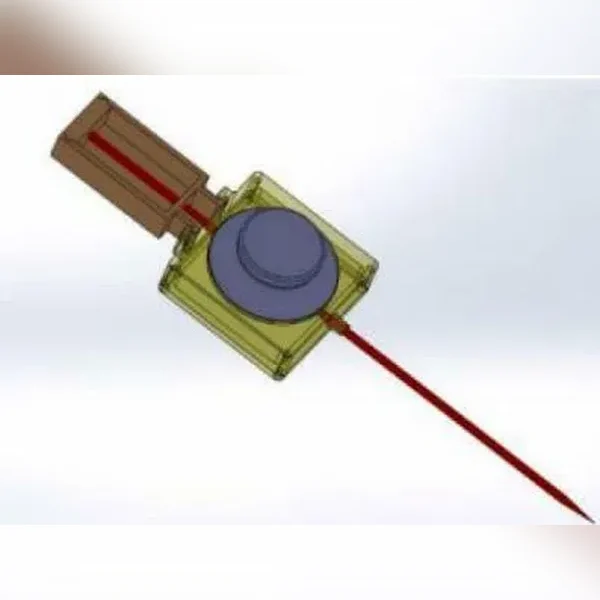
Illanes, A; Boese, A; Friebe, M; Hansen, C
Feasibility Check: Can Audio Be a Simple Alternative to Force-Based Feedback for Needle Guidance? Proceedings Article
In: Medical Image Computing and Computer Assisted Intervention (MICCAI), pp. 24–33, 2020.
@inproceedings{martel_feasibility_2020,

title = {Feasibility Check: Can Audio Be a Simple Alternative to Force-Based Feedback for Needle Guidance?},

author = {A Illanes and A Boese and M Friebe and C Hansen},

url = {https://link.springer.com/10.1007/978-3-030-59716-0_3},

doi = {10.1007/978-3-030-59716-0_3},

year  = {2020},

date = {2020-01-01},

urldate = {2020-01-01},

booktitle = {Medical Image Computing and Computer Assisted Intervention (MICCAI)},

pages = {24–33},

abstract = {Accurate needle placement is highly relevant for puncture of anatomical structures. The clinician’s experience and medical imaging are essential to complete these procedures safely. However, imaging may come with inaccuracies due to image artifacts. Sensor-based solutions have been proposed for acquiring additional guidance information. These sensors typically require to be embedded in the instrument tip, leading to direct tissue contact, sterilization issues, and added device complexity, risk, and cost. Recently, an audio-based technique has been proposed for ”listening” to needle tip-tissue interactions by an externally placed sensor. This technique has shown promising results for different applications. But the relation between the interaction event and the generated audio excitation is still not fully understood. This work aims to study this relationship, using a force sensor as a reference, by relating events and dynamical characteristics occurring in the audio signal with those occurring in the force signal. We want to show that dynamical information that a well-known sensor as force can provide could also be extracted from a low-cost and simple sensor such as audio. In this aim, the Pearson coefficient was used for signal-to-signal correlation between extracted audio and force indicators. Also, an event-to-event correlation between audio and force was performed by computing features from the indicators. Results show high values of correlation between audio and force indicators in the range of 0.53 to 0.72. These promising results demonstrate the usability of audio sensing for tissue-tool interaction and its potential to improve telemanipulated and robotic surgery in the future.},

keywords = {},

pubstate = {published},

tppubtype = {inproceedings}

}
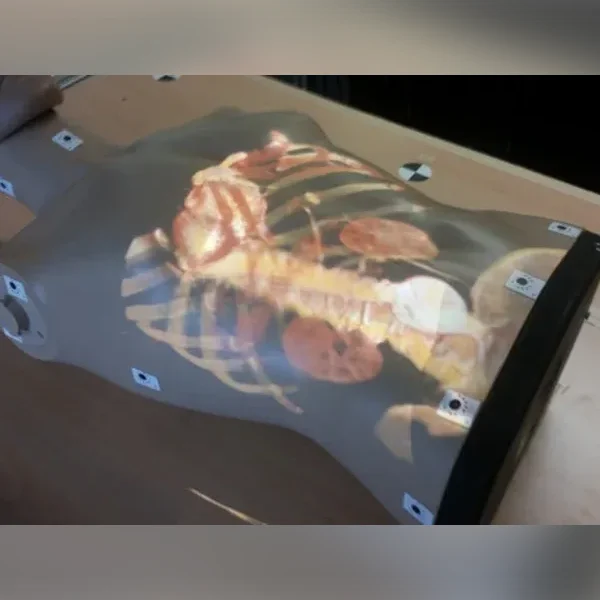
Heinrich, F; Bornemann, K; Lawonn, K; Hansen, C
Interacting with Medical Volume Data in Projective Augmented Reality Proceedings Article
In: Medical Image Computing and Computer Assisted Intervention (MICCAI), pp. 429–439, 2020.
@inproceedings{martel_interacting_2020,

title = {Interacting with Medical Volume Data in Projective Augmented Reality},

author = {F Heinrich and K Bornemann and K Lawonn and C Hansen},

url = {https://link.springer.com/10.1007/978-3-030-59716-0_41},

doi = {10.1007/978-3-030-59716-0_41},

year  = {2020},

date = {2020-01-01},

urldate = {2020-01-01},

booktitle = {Medical Image Computing and Computer Assisted Intervention (MICCAI)},

pages = {429–439},

abstract = {Medical volume data is usually explored on monoscopic monitors. Displaying this data in three-dimensional space facilitates the development of mental maps and the identification of anatomical structures and their spatial relations. Using augmented reality (AR) may further enhance these effects by spatially aligning the volume data with the patient. However, conventional interaction methods, e.g. mouse and keyboard, may not be applicable in this environment. Appropriate interaction techniques are needed to naturally and intuitively manipulate the image data. To this end, a user study comparing four gestural interaction techniques with respect to both clipping and windowing tasks was conducted. Image data was directly displayed on a phantom using stereoscopic projective AR and direct volume visualization. Participants were able to complete both tasks with all interaction techniques with respectively similar clipping accuracy and windowing efficiency. However, results suggest advantages of gestures based on motion-sensitive devices in terms of reduced task completion time and less subjective workload. This work presents an important first step towards a surgical AR visualization system enabling intuitive exploration of volume data. Yet, more research is required to assess the interaction techniques’ applicability for intraoperative use.},

keywords = {},

pubstate = {published},

tppubtype = {inproceedings}

}
2019
Heinrich, F; Schmidt, G; Jungmann, F; Hansen, C
Augmented Reality Visualisation Concepts to Support Intraoperative Distance Estimation Proceedings Article
In: Proceedings of the 25th ACM Symposium on Virtual Reality Software and Technology, 2019.
@inproceedings{heinrich_augmented_2019,

title = {Augmented Reality Visualisation Concepts to Support Intraoperative Distance Estimation},

author = {F Heinrich and G Schmidt and F Jungmann and C Hansen},

url = {https://doi.org/10.1145/3359996.3364818},

doi = {10.1145/3359996.3364818},

year  = {2019},

date = {2019-11-01},

urldate = {2019-11-01},

booktitle = {Proceedings of the 25th ACM Symposium on Virtual Reality Software and Technology},

series = {VRST '19},

abstract = {The estimation of distances and spatial relations between surgical instruments and surrounding anatomical structures is a challenging task for clinicians in image-guided surgery. Using augmented reality (AR), navigation aids can be displayed directly at the intervention site to support the assessment of distances and reduce the risk of damage to healthy tissue. To this end, four distance-encoding visualisation concepts were developed using a head-mounted optical see-through AR setup and evaluated by conducting a comparison study. Results suggest the general advantage of the proposed methods compared to a blank visualisation providing no additional information. Using a Distance Sensor concept signalising the proximity of nearby structures resulted in the least time the instrument was located below 5mm to surrounding risk structures and yielded the least amount of collisions with them.},

keywords = {},

pubstate = {published},

tppubtype = {inproceedings}

}
Heinrich, F; Bornemann, K; Lawonn, K; Hansen, C
Depth Perception in Projective Augmented Reality: An Evaluation of Advanced Visualization Techniques Proceedings Article
In: Proceedings of the 25th ACM Symposium on Virtual Reality Software and Technology, 2019.
@inproceedings{heinrich_depth_2019,

title = {Depth Perception in Projective Augmented Reality: An Evaluation of Advanced Visualization Techniques},

author = {F Heinrich and K Bornemann and K Lawonn and C Hansen},

url = {https://doi.org/10.1145/3359996.3364245},

doi = {10.1145/3359996.3364245},

year  = {2019},

date = {2019-11-01},

urldate = {2019-11-01},

booktitle = {Proceedings of the 25th ACM Symposium on Virtual Reality Software and Technology},

series = {VRST '19},

abstract = {Augmented reality (AR) is a promising tool to convey useful information at the place where it is needed. However, perceptual issues with augmented reality visualizations affect the estimation of distances and depth and thus can lead to critically wrong assumptions. These issues have been successfully investigated for video see-through modalities. Moreover, advanced visualization methods encoding depth information by displaying additional depth cues were developed. In this work, state-of-the-art visualization concepts were adopted for a projective AR setup. We conducted a user study to assess the concepts’ suitability to convey depth information. Participants were asked to sort virtual cubes by using the provided depth cues. The investigated visualization concepts consisted of conventional Phong shading, a virtual mirror, depth-encoding silhouettes, pseudo-chromadepth rendering and an illustrative visualization using supporting line depth cues. Besides different concepts, we altered between a monoscopic and a stereoscopic display mode to examine the effects of stereopsis. Consistent results across variables show a clear ranking of examined concepts. The supporting lines approach and the pseudo-chromadepth rendering performed best. Stereopsis was shown to provide significant advantages for depth perception, while the current visualization technique had only little effect on investigated measures in this condition. However, similar results were achieved using the supporting lines and the pseudo-chromadepth concepts in a monoscopic setup. Our study showed the suitability of advanced visualization concepts for the rendering of virtual content in projective AR. Specific depth estimation results contribute to the future design and development of applications for these systems.},

keywords = {},

pubstate = {published},

tppubtype = {inproceedings}

}
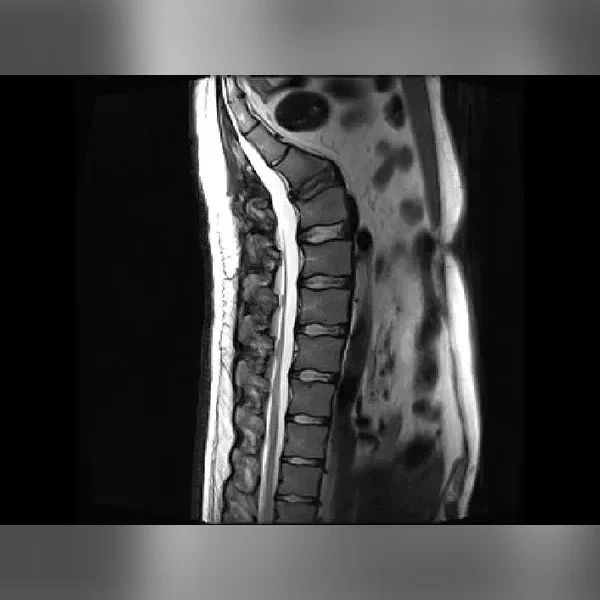
Rak, M; Steffen, J; Meyer, A; Hansen, C; Tönnies, K
Combining Convolutional Neural Networks and Star Convex Cuts for Fast Whole Spine Vertebra Segmentation in MRI Journal Article
In: Computer Methods and Programs in Biomedicine, vol. 177, pp. 47–56, 2019.
@article{rak_combining_2019,

title = {Combining Convolutional Neural Networks and Star Convex Cuts for Fast Whole Spine Vertebra Segmentation in MRI},

author = {M Rak and J Steffen and A Meyer and C Hansen and K Tönnies},

url = {https://linkinghub.elsevier.com/retrieve/pii/S0169260718307417

https://pubmed.ncbi.nlm.nih.gov/31319960/, PubMed},

doi = {10.1016/j.cmpb.2019.05.003},

year  = {2019},

date = {2019-08-01},

urldate = {2019-08-01},

journal = {Computer Methods and Programs in Biomedicine},

volume = {177},

pages = {47–56},

abstract = {Methods: We address these limitations by a novel graph cut formulation based on vertebra patches extracted along the spine. For each patch, our formulation incorporates appearance and shape information derived from a task-specific convolutional neural network as well as star-convexity constraints that ensure a topologically correct segmentation of each vertebra. When segmenting vertebrae individually, ambiguities will occur due to overlapping segmentations of adjacent vertebrae. We tackle this problem by novel nonoverlap constraints between neighboring patches based on so-called encoding swaps. The latter allow us to obtain a globally optimal multi-label segmentation of all vertebrae in polynomial time.

Results: We validated our approach on two data sets. The first contains T1- and T2-weighted whole spine images of 64 subjects with varying health conditions. The second comprises 23 T2-weighted thoracolumbar images of young healthy adults and is publicly available. Our method yielded Dice coefficients of 93.8 ± 2.6 % and 96.0 ± 1.0 % for both data sets with a run time of 1.35 ± 0.08 s and 0.90 ± 0.03 s per vertebra on consumer hardware. A complete whole spine segmentation took 32.4 ± 1.92 s on average.

Conclusions: Our results are superior to those of previous works at a fraction of their run time, which illustrates the efficiency and effectiveness of our whole spine segmentation approach.},

keywords = {},

pubstate = {published},

tppubtype = {article}

}
Results: We validated our approach on two data sets. The first contains T1- and T2-weighted whole spine images of 64 subjects with varying health conditions. The second comprises 23 T2-weighted thoracolumbar images of young healthy adults and is publicly available. Our method yielded Dice coefficients of 93.8 ± 2.6 % and 96.0 ± 1.0 % for both data sets with a run time of 1.35 ± 0.08 s and 0.90 ± 0.03 s per vertebra on consumer hardware. A complete whole spine segmentation took 32.4 ± 1.92 s on average.
Conclusions: Our results are superior to those of previous works at a fraction of their run time, which illustrates the efficiency and effectiveness of our whole spine segmentation approach.
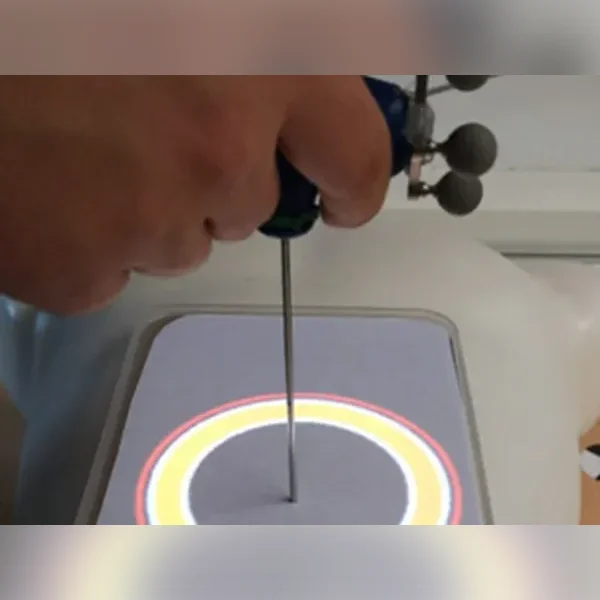
Heinrich, F; Joeres, F; Lawonn, K; Hansen, C
Comparison of Projective Augmented Reality Concepts to Support Medical Needle Insertion Journal Article
In: IEEE Transactions on Visualization and Computer Graphics, vol. 25, no. 6, pp. 2157–2167, 2019.
@article{heinrich_comparison_2019,

title = {Comparison of Projective Augmented Reality Concepts to Support Medical Needle Insertion},

author = {F Heinrich and F Joeres and K Lawonn and C Hansen},

url = {https://ieeexplore.ieee.org/document/8667734/},

doi = {10.1109/TVCG.2019.2903942},

year  = {2019},

date = {2019-06-01},

urldate = {2019-06-01},

journal = {IEEE Transactions on Visualization and Computer Graphics},

volume = {25},

number = {6},

pages = {2157–2167},

abstract = {Augmented reality (AR) is a promising tool to improve instrument navigation in needle-based interventions. Limited research has been conducted regarding suitable navigation visualizations. In this work, three navigation concepts based on existing approaches were compared in a user study using a projective AR setup. Each concept was implemented with three different scales for accuracy-to-color mapping and two methods of navigation indicator scaling. Participants were asked to perform simulated needle insertion tasks with each of the resulting 18 prototypes. Insertion angle and insertion depth accuracies were measured and analyzed, as well as task completion time and participants’ subjectively perceived task difficulty. Results show a clear ranking of visualization concepts across variables. Less consistent results were obtained for the color and indicator scaling factors. Results suggest that logarithmic indicator scaling achieved better accuracy, but participants perceived it to be more difficult than linear scaling. With specific results for angle and depth accuracy, our study contributes to the future composition of improved navigation support and systems for precise needle insertion or similar applications.},

keywords = {},

pubstate = {published},

tppubtype = {article}

}
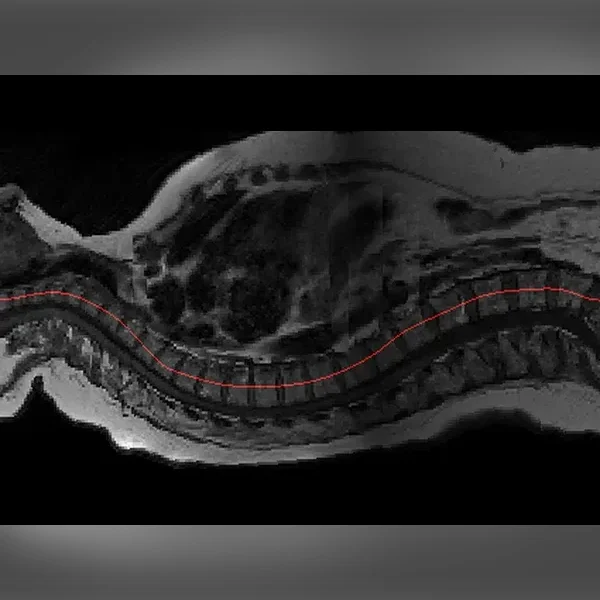
Ernst, P; Hille, G; Hansen, C; Tönnies, K; Rak, M
A CNN-Based Framework for Statistical Assessment of Spinal Shape and Curvature in Whole-Body MRI Images of Large Populations Proceedings Article
In: Medical Image Computing and Computer Assisted Intervention (MICCAI), pp. 3–11, 2019.
@inproceedings{shen_cnn-based_2019,

title = {A CNN-Based Framework for Statistical Assessment of Spinal Shape and Curvature in Whole-Body MRI Images of Large Populations},

author = {P Ernst and G Hille and C Hansen and K Tönnies and M Rak},

url = {https://link.springer.com/10.1007/978-3-030-32251-9_1},

doi = {10.1007/978-3-030-32251-9_1},

year  = {2019},

date = {2019-01-01},

urldate = {2019-01-01},

booktitle = {Medical Image Computing and Computer Assisted Intervention (MICCAI)},

pages = {3–11},

abstract = {The extraction of spines from medical records in a fast yet accurate way is a challenging task, especially for large data sets. Addressing this issue, we present a framework based on convolutional neural networks for the reconstruction of the spinal shape and curvature, making statistical assessments feasible on epidemiological scale. Our method uses a two-step strategy. First, anchor vertebrae and the spinal centerline in between them get extracted. Second, the centerlines are transformed into a common coordinate system to enable comparisons and statistical assessments across subjects. Our networks were trained on 103 subjects, where we achieved accuracies of 3.3 mm on average, taking at most 1 s per record, which eases the handling of even very large cohorts. Without any further training, we validated our model on study data of about 3400 subjects with only 10 cases of failure, which demonstrates the robustness of our method with respect to the natural variability in spinal shape and curvature. A thorough statistical analysis of the results underpins the importance of our work. Specifically, we show that the spinal curvature is significantly influenced by the body mass index of a subject. Moreover, we show that the same findings arise when Cobb angles are considered instead of direct curvature measures. To this end, we propose a generalization of classical Cobb angles that can be evaluated algorithmically and can also serve as a useful (visual) tool for physicians in everyday clinical practice.},

keywords = {},

pubstate = {published},

tppubtype = {inproceedings}

}
2017
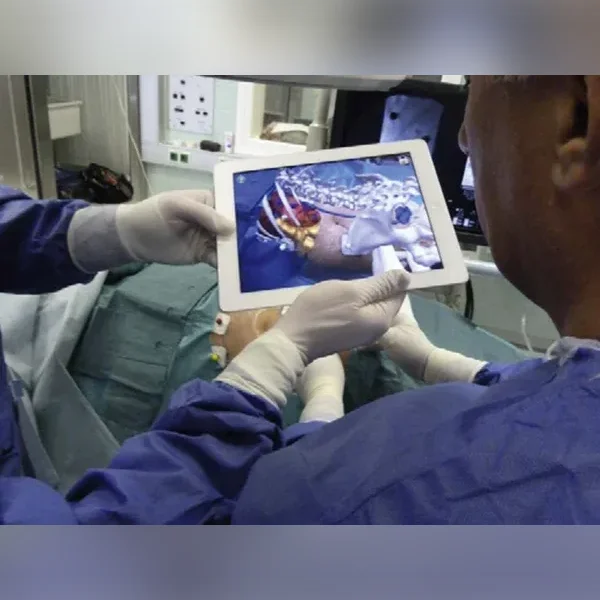
Detmer, F; Hettig, J; Schindele, D; Schostak, M; Hansen, C
Virtual and Augmented Reality Systems for Renal Interventions: A Systematic Review Journal Article
In: IEEE Reviews in Biomedical Engineering, vol. 10, pp. 78–94, 2017.
@article{detmer_virtual_2017,

title = {Virtual and Augmented Reality Systems for Renal Interventions: A Systematic Review},

author = {F Detmer and J Hettig and D Schindele and M Schostak and C Hansen},

url = {http://ieeexplore.ieee.org/document/8026164/},

doi = {10.1109/RBME.2017.2749527},

year  = {2017},

date = {2017-01-01},

urldate = {2017-01-01},

journal = {IEEE Reviews in Biomedical Engineering},

volume = {10},

pages = {78–94},

abstract = {Purpose Many virtual and augmented reality systems have been proposed to support renal interventions. This paper reviews such systems employed in the treatment of renal cell carcinoma and renal stones.

Methods A systematic literature search was performed. Inclusion criteria were virtual and augmented reality systems for radical or partial nephrectomy and renal stone treatment, excluding systems solely developed or evaluated for training purposes.

Results In total, 52 research papers were identified and analyzed. Most of the identified literature (87%) deals with systems for renal cell carcinoma treatment. Forty-four percent of the systems have already been employed in clinical practice, but only 20% in studies with ten or more patients. Main challenges remaining for future research include the consideration of organ movement and deformation, human factor issues, and the conduction of large clinical studies.

Conclusion Augmented and virtual reality systems have the potential to improve safety and outcomes of renal interventions. In the last ten years, many technical advances have led to more sophisticated systems, which are already applied in clinical practice. Further research is required to cope with current limitations of virtual and augmented reality assistance in clinical environments.},

keywords = {},

pubstate = {published},

tppubtype = {article}

}
Methods A systematic literature search was performed. Inclusion criteria were virtual and augmented reality systems for radical or partial nephrectomy and renal stone treatment, excluding systems solely developed or evaluated for training purposes.
Results In total, 52 research papers were identified and analyzed. Most of the identified literature (87%) deals with systems for renal cell carcinoma treatment. Forty-four percent of the systems have already been employed in clinical practice, but only 20% in studies with ten or more patients. Main challenges remaining for future research include the consideration of organ movement and deformation, human factor issues, and the conduction of large clinical studies.
Conclusion Augmented and virtual reality systems have the potential to improve safety and outcomes of renal interventions. In the last ten years, many technical advances have led to more sophisticated systems, which are already applied in clinical practice. Further research is required to cope with current limitations of virtual and augmented reality assistance in clinical environments.
2015
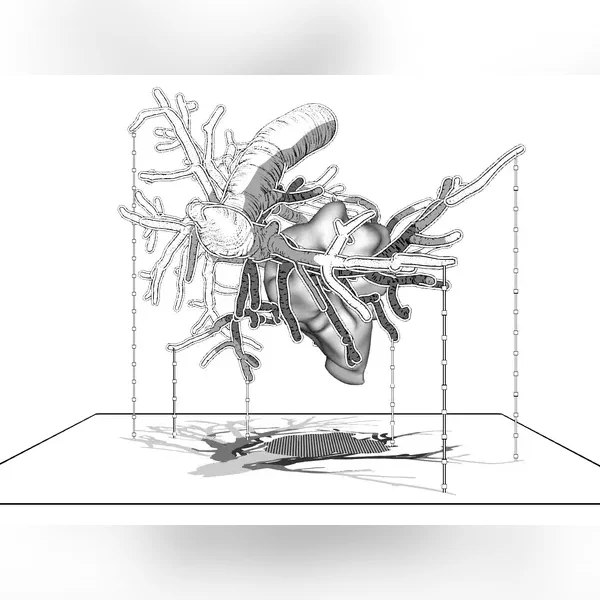
Lawonn, K; Luz, M; Preim, B; Hansen, C
Illustrative Visualization of Vascular Models for Static 2D Representations Proceedings Article
In: Medical Image Computing and Computer Assisted Intervention (MICCAI), pp. 399–406, 2015.
@inproceedings{navab_illustrative_2015,

title = {Illustrative Visualization of Vascular Models for Static 2D Representations},

author = {K Lawonn and M Luz and B Preim and C Hansen},

url = {http://link.springer.com/10.1007/978-3-319-24571-3_48},

doi = {10.1007/978-3-319-24571-3_48},

year  = {2015},

date = {2015-01-01},

urldate = {2015-01-01},

booktitle = {Medical Image Computing and Computer Assisted Intervention (MICCAI)},

pages = {399–406},

abstract = {Depth assessment of 3D vascular models visualized on 2D displays is often difficult, especially in complex workspace conditions such as in the operating room. To address these limitations, we propose a new visualization technique for 3D vascular models. Our technique is tailored to static monoscopic 2D representations, as they are often used during surgery. To improve depth assessment, we propose a combination of supporting lines, view-aligned quads, and illustrative shadows. In addition, a hatching scheme that uses different line styles depending on a distance measure is applied to encode vascular shape as well as the distance to tumors. The resulting visualization can be displayed on monoscopic 2D monitors and on 2D printouts without the requirement to use color or intensity gradients. A qualitative study with 15 participants and a quantitative study with 50 participants confirm that the proposed visualization technique significantly improves depth assessment of complex 3D vascular models.},

keywords = {},

pubstate = {published},

tppubtype = {inproceedings}

}